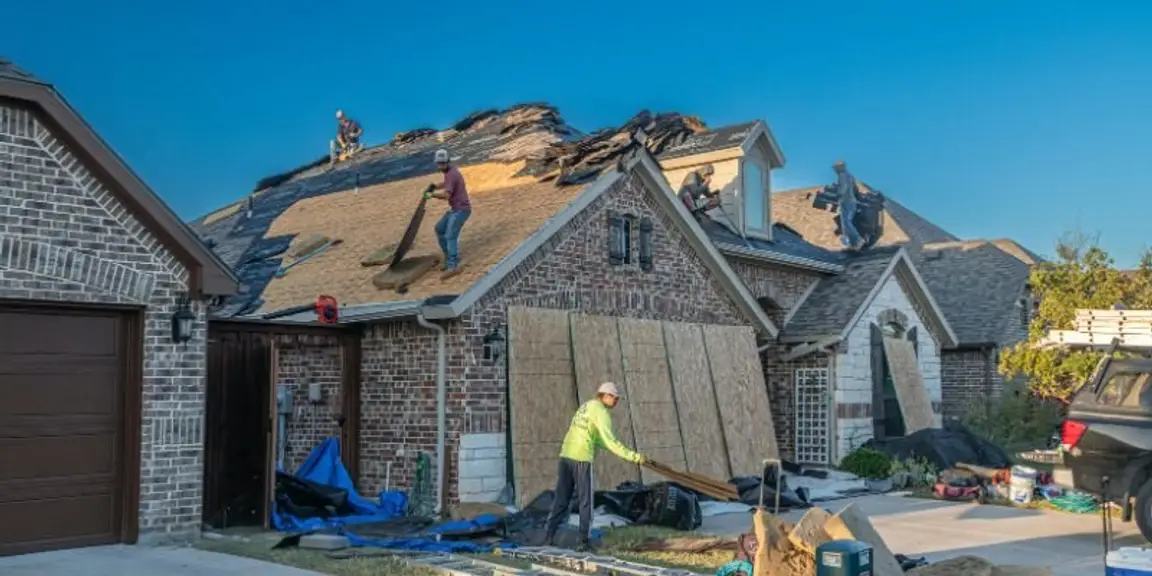

A leaky roof in Puyallup. A kitchen in Renton that hasn’t been updated since the Reagan administration. A foundation crack in Spokane Valley that three contractors looked at, and all gave different opinions. Every week, I see homeowners sitting across from me with a version of the same story: they have a house that needs real work, they don’t have the money, time, or energy to do it, and they’re not sure what their actual options are.
This article is for those homeowners. This article is not for those flipping houses for profit or investors hunting for sales on Zillow, but for people who just need to sell and move on.
Selling a House That Needs Repairs in Washington: What You Actually Need to Know

Washington’s real estate excise tax (REET) operates on a graduated scale, starting at 1.1% of the sale price on portions up to $525,000. Sellers often overlook that detail when calculating their net proceeds, and it can be a painful surprise at closing. Most sellers budget for agent commissions and forget about REET entirely until the closing disclosure arrives.
I met a family last summer, the Reeves family out of Kenmore, who were handling their mother’s property after she moved into assisted living. Untouched for fifteen years, the main floor of the house sat alongside a detached garage full of her late husband’s woodworking equipment. They called me on a Tuesday, and by Friday, we had walked the property together and laid out every real option they had. They didn’t need to spend a single dollar on repairs. They needed clarity.
Many Washington homeowners are actually in that situation. Homes statewide were selling at a median price of around $612,823 as of mid-2026. This is encouraging news for sellers who need equity to move on, even on a distressed property. The market hasn’t fallen off a cliff. It’s slower and more balanced than it was two years ago, but motivated buyers, especially cash investors, are still active from Bellingham to Walla Walla.
Active listings across the state have climbed significantly compared to a year ago, and mortgage rates have hovered in the mid-6% range for a 30-year fixed loan as of mid-2026. What that means for sellers of repair-needed homes is simple: financed buyers now have more options, so you’re competing harder for their attention. Cash buyers and investors are less rate-sensitive. They’re your most reliable pool when a property has deferred maintenance.
Sellers who overestimate the value of their repairs always regret it. I’ve watched people spend $40,000 on a kitchen remodel, list the home, and walk away with less net than if they’d sold as-is to a cash buyer. Renovation costs real money. That timeline ate three months of carrying costs. And the market didn’t reward them for the granite countertops the way they’d hoped. Price your situation correctly from the start.
Fast Facts About Selling a House As-Is in Washington
A homeowner in Tacoma called me after a contractor told her that mold remediation in the crawlspace alone would cost $18,000. She had already framed the quote and was ready to write the check. By the time we talked through her actual numbers, she realized she’d net more money, faster, by selling as-is to a cash buyer than by spending that money courting a financed buyer who might still negotiate her down on price.
Selling as-is in Washington means you’re offering the property in its current condition. No repairs. No credits. No negotiating over a list of inspection findings. Buyers take it exactly as it stands, and both parties agree on that in writing.
A few fast realities worth knowing. In 2025, roughly 24% of home sales in Washington were cash transactions. That’s about one in four buyers paying cash, which means one in four isn’t concerned about appraisals or lender-required repairs. That’s your as-is market.
Washington’s statewide inventory surge has made it a bit harder to stand out. Homes across Washington are sitting on the market for a median of 31 days before going under contract. A property with deferred maintenance, priced incorrectly, can sit twice that long, and every week that passes costs you in property taxes, utilities, and mortgage payments.
One more thing worth understanding: selling as-is doesn’t mean selling secretly or deceptively. Washington has mandatory disclosure rules. Listing a property as-is simply communicates to buyers that they’re purchasing it in its current condition, not a renovated version. You still have to tell them what you know.
What Does It Mean to Sell a House As-Is in Washington?
King County has the state’s highest median home price, at around $860,000 as of mid-2026, according to NWMLS data. Even a property in Renton or Auburn that needs $60,000 in repairs still has substantial equity. Selling as-is isn’t a desperate act in that context; it’s a rational financial calculation (one I’ve seen sellers reach pretty quickly).
What homeowners actually lose when selling a house as-is is often less than they expect. When you sell as-is in Washington, you’re telling the market upfront that the property is priced to reflect its condition. Buyers who come through the door already know what they’re getting. There’s no bait-and-switch, no negotiations after inspection where the buyer hands you a 40-item repair list and threatens to walk. The price is for the home as it sits.
From a legal standpoint, Washington State’s seller disclosure requirements still apply regardless of the as-is status. Washington uses a Form 17 Seller Disclosure Statement, and you’re required to disclose known material defects. An as-is designation protects you from being obligated to fix things; it doesn’t shield you from liability if you knowingly concealed a problem.
Cash homebuyers and real estate investors, including cash home buyers in Seattle, make up a large share of as-is buyers. They’re typically not relying on home loans from traditional lenders, so no bank appraiser is walking through demanding that the water heater be replaced before they’ll fund the mortgage. This transaction is strictly between you and the buyer. That’s a meaningful difference when your property has issues that would trip a standard appraisal.
Sellers sometimes think that “as-is” means “no one will want the house.” That doesn’t seem right. Almost any property in Washington can be sold to the right buyer at the right price. Finding that buyer without overpricing the property is the real challenge, and that’s where pricing and exposure actually matter.
Which Types of Homes Are Typically Sold As-is?
Pricing a distressed property too high for the as-is market is the single most common mistake I see. Sellers know what the house would be worth if they fixed it up, and they anchor on that instead of its current value. That disconnect costs months and often more money than the repairs would have.
Properties that end up in as-is sales generally fall into a few overlapping categories. Inherited homes are the most common. When a family inherits a property in Spokane or Everett, they’re usually dealing with decades of deferred maintenance, a lack of a recent appraisal, and limited knowledge of the home’s systems. An as-is sale lets them settle the estate without becoming amateur general contractors.
Homes facing foreclosure are another frequent category. A seller who is three months behind on the mortgage doesn’t have $25,000 sitting around for a new roof. A fast-as-is cash sale can prevent the property from going to a trustee sale.
Properties that have been rentals for years often end up here, too. Tenants don’t maintain homes the way owners do. A landlord selling a rental in Federal Way or Tacoma after years of occupancy is often looking at worn flooring, damaged cabinetry, overgrown landscaping, and plumbing jury-rigged by whoever was the cheapest to call. These properties are real candidates for as-is sales because the cost of bringing them to retail condition can easily exceed what the market will reward.
Severe deferred maintenance homes, the kind where the HVAC system is 25 years old, the electrical panel is a fire hazard, and the water heater is rusted through, belong in “as-is” territory, too. Trying to retail those with a traditional listing is a frustrating experience. The same is often true if you’re wondering about Can You Sell a House With Termites in Washington, since extensive pest damage can create many of the same financing and buyer concerns as other major property defects.
What problems must you disclose in Washington State?
Pull up a chair, because this part matters, and many sellers get it wrong. Choosing to sell as-is doesn’t mean you can skip disclosure. Washington takes these issues seriously, and the civil liability for nondisclosure can follow you for years after closing.
Under Washington’s seller disclosure law (RCW 64.06), you’re required to complete a Form 17 that covers the condition of the roof, plumbing, electrical systems, heating (including your HVAC system and water heater), foundation, and a long list of other items. The keyword throughout is “known.” You disclose what you know. You’re not expected to hire every specialist in the state before listing.
That said, you can’t claim ignorance of something you were clearly aware of. A leak you patched three times without fixing the source is a known defect. A roof you got an offer on but chose not to replace is a known issue. Disclose those things plainly.
Washington sellers must also disclose the presence of known environmental hazards such as asbestos, radon, lead-based paint, underground storage tanks, or contaminated soil and groundwater. Older homes in neighborhoods like Georgetown in Seattle, or parts of Tacoma near the old smelter site, sometimes carry these concerns (and buyers do ask about them). That’s not a reason to panic, but it is a reason to be thorough on the disclosure form.
Homeowner association information, shared maintenance obligations, and any prior commercial or industrial use of the property must also be disclosed. Sellers who move through disclosure quickly and carelessly often create problems that surface at closing or, worse, in litigation six months later. Take your time with Form 17.
Should You Fix Up Your House Before Selling in Washington?
Fair objection: “If I spend money on repairs, won’t I get a higher price and come out ahead?” Occasionally. Less frequently than people think.
The math depends on return on investment, and ROI on pre-sale repairs in Washington is wildly inconsistent. A fresh coat of neutral paint throughout a Bellevue home might return two or three times its cost in buyer perception. A full kitchen remodel in a Yakima property priced at $280,000 might return less than half of what you spent, so an upgrade that makes sense in one market can sink you in another. The market doesn’t pay equally for every upgrade.
Selling costs in Washington already run around 7% to 8% of the sale price when you factor in agent commissions, excise tax, title and escrow fees, and prep work. On top of that, seller concessions have become more common, with over 70% of Washington transactions in early 2025 including some form of buyer concession (closing cost credits being the most requested). Add repair spending on top of that, and your net can shrink fast.
The repair-versus-sell-as-is question is really about what the repairs cost versus what they’ll add to the sale price, minus the time they add to the timeline. Every month you’re waiting on contractors in a slower market is another mortgage payment, another utility bill, and another property tax installment. Those carrying costs are real money, and they rarely get factored into the repair ROI calculation.
My honest take: do repairs only when the data shows you’ll get your money back with room to spare, and you can control the timeline. Otherwise, price the property to reflect its condition and sell it.
Home Repairs Vs. Home Improvements: What Is the Difference?
Sellers fall into this trap all the time. A homeowner thinks, “I’ll update the bathroom and the kitchen before listing,” and ends up spending $35,000 on improvements that change the home’s character but don’t address the structural issues that will surface during inspection anyway.
Repairs fix what is broken or deficient. A repair means replacing the failed water heater, patching the roof leak, fixing the plumbing drain that backs up, or repairing the HVAC system that won’t hold heat past 58 degrees. Repairs bring the property back to functional condition. They prevent sale-killers from appearing on inspection reports.
Improvements change or upgrade things that already work. New kitchen cabinets, hardwood floors over existing vinyl, a remodeled bathroom where the old one was functional but dated, and a landscaping overhaul. These are discretionary. They change the aesthetic and potentially the price, but they don’t remove inspection red flags.
The distinction matters because repairs have a clearer ROI calculation. A working water heater expands your buyer pool to include financed buyers. A functioning furnace and HVAC system means lenders won’t flag the property as uninhabitable. Core system updates like a new furnace, repaired plumbing, or an electrical panel replacement tend to recoup 85 to 100% of their cost by preventing the sale from falling apart during inspection. That’s very different from an improvement, which might return 60% or might return nothing.
Before spending a dollar, clarify which category your project falls into. Then run the math.
The Most Important Repairs to Make Before Selling

What’s going to kill my sale?
That’s the real question, and it has a clear answer. The repairs worth making before listing in Washington are those that will surface on every buyer’s inspection and give them leverage to renegotiate or cause a lender to refuse to fund the loan altogether.
Roofing problems top the list. A roof with three to four years of life left, visible moss (a constant issue in Western Washington’s damp climate), or active leaks will come up in every inspection from Bellingham to Olympia. Buyers routinely use roof issues to negotiate $10,000 to $15,000 off the price. Whether it’s cheaper to repair the roof or accept the discount is a calculation worth doing carefully.
The water heater and HVAC system are close behind. Lenders and inspectors both flag these immediately upon reaching the end of life. A 20-year-old water heater in a house near Lake Washington might cost $1,200 to replace. If that one repair keeps a financed buyer in the sale and prevents them from negotiating a $5,000 credit, the math favors the repair.
Electrical panels with known issues, particularly older Federal Pacific or Zinsco panels common in mid-century homes in neighborhoods like Hilltop in Tacoma or the Central District in Seattle, can block financing altogether. Some lenders won’t touch them. Getting a panel evaluation and addressing anything actively dangerous is money well spent before listing.
Plumbing leaks, foundation cracks that have been growing, and anything labeled a health or safety hazard on a prior inspection are in this same tier. Please fix those issues, or clearly disclose them and adjust the price accordingly.
What Not to Fix When Selling a House in Washington
Over-improving before a sale is just as costly as under-improving.
Kitchens are where sellers lose money most reliably. A full kitchen renovation in a house priced at $450,000 in Maple Valley or Covington can easily run $30,000 to $50,000. Buyers might notice it, but they won’t pay you back dollar-for-dollar. Kitchens are deeply personal, and a buyer who loves the bones of your house might have tastes entirely different from what you just installed (I’ve seen granite counters kill a sale). Give them a functional kitchen, not a magazine kitchen, and price correctly.
Cosmetic flooring throughout an entire house tends to share a similar problem. Buyers of as-is properties are already expecting to put their own touch on things. Installing new carpet or vinyl plank right before listing can actually work against you if the buyer would have preferred something different. And if you’re marketing to investors, they’ll pull it out anyway.
High-end landscaping upgrades rarely return their cost in Western Washington’s notoriously variable spring weather. A $6,000 landscaping project in Redmond looks impressive in listing photos and has very little bearing on what a buyer will offer.
Swimming pools, specialty rooms, and major additions near the end of the home’s natural life are projects to skip before a sale. Put that money in your pocket. Price the home honestly, and let the buyer decide what to do with the space.
Curb Appeal Fixes That Help Sell Your Home in Washington
A seller in Burien had let the front yard nearly fall to ruin, with overgrowth and blackberry vines creeping up the front fence. The interior of the house was actually in decent shape. We spent one Saturday with a crew clearing the yard, repainting the front door a deep forest green, and power-washing the driveway. The total cost was under $800, which is about as cheap as a curb-appeal turnaround gets in my experience. The listing photos looked like an entirely different house.
That’s the power of targeted curb appeal: it’s low-cost, high-impact, and sets the tone for buyers before they step inside.
Research from the National Association of Realtors consistently shows that exterior improvements return some of the highest ROI of any pre-sale work. In Washington’s wet climate, moss and mildew on siding, driveways, and rooflines are a constant issue. A pressure washer rental or a professional power wash costs a couple of hundred dollars and removes the visual that buyers associate with neglect (the first thing they photograph, too).
Fresh mulch in flower beds, trimmed hedges, and a working exterior light fixture at the front door are all things that cost under $300 and read well in photos. Given that most Washington buyers are first seeing your property on their phone, the thumbnail photo on Zillow or Redfin is your entire first impression.
Repainting the front door a bold but not outlandish color is one of the best single investments. It photographs well, signals care, and costs less than $150, including labor, if you do it yourself. Don’t underestimate what 90 minutes with a brush can do for a listing (especially in online gallery thumbnails).
How Much Will You Make From an As-is Home Sale in Washington?
After curb appeal work and any targeted repairs, the real math question is, what will you actually pocket?
Selling as-is to a cash buyer typically means accepting a discount off the property’s fully repaired market value. That discount varies depending on location, condition, and the local market’s temperature. In competitive areas like South Seattle or Kirkland, the gap narrows. In Eastern Washington’s slower markets, the discount can be wider, especially for rural parcels, where it can be significantly so.
Plan for selling costs of around 7% or more of your final sale price when using an agent, covering commissions, excise tax, title and escrow, and any prep costs. With a cash buyer who charges no agent commission on their side and may help with closing costs, your net can be closer to what the headline number suggests.
To put real numbers on it: a property in Pierce County with a market value of $580,000, fully repaired but with that level of needed repairs, might attract a cash offer somewhere in the $470,000 to $510,000 range. If you spent that sum on repairs, listed the property with an agent, and paid 7.5% in selling costs, you would net roughly $497,000 on a full-price sale. The as-is path might net you about the same amount, in less time, with no contractor stress. Sometimes the as-is path wins on pure net.
What sellers rarely account for is the time value of their carrying costs. Every additional month of mortgage, taxes, insurance, and utilities is money flowing out while repairs drag on. For a property carrying $2,500 a month in costs, a three-month renovation timeline has already cost $7,500 before you’ve even listed the home (and that’s before contractor delays).
What are your options for selling as-is in Washington State?
I used to default to recommending the MLS for almost every situation. Then I watched enough sellers burn through months and carrying costs on properties that the retail market didn’t want, and I adjusted that view.
Washington homeowners selling a property that needs repairs have three main paths.
List the property on the MLS as-is with an agent. This gets your property in front of the widest audience, including investors and retail buyers comfortable with fixer-uppers. Common as-is listing descriptors in Washington include phrases like “priced to sell” or “investor special,” which signal to buyers what they’re getting. The downside is that you’re still subject to inspection requests, financing contingencies, and the general unpredictability of a retail sale.
Sell directly to a cash buyer or real estate investor. This is the fastest path and eliminates most of the uncertainty, with no lender, no appraisal, and no repair demands. Reputable buyers like Sell My House Fast For Cash, we buy houses in Washington, making fair offers on properties in any condition and typically closing in days rather than months. The trade-off is that you’re generally accepting a price below full retail value, which in my experience tends to be a smaller gap than sellers expect going in.
List FSBO (for sale by owner). This path saves on listing agent fees but adds complexity, especially for properties that need work. Buyers and their agents know you’re unrepresented, and that can affect negotiating dynamics.
For most homeowners with a repair-heavy property, the choice comes down to the first two. The decision hinges on your timeline, your financial cushion, and the level of uncertainty you can tolerate. If you’d like to better understand how we buy houses, you can see exactly what to expect from the initial offer through closing before deciding if it’s the right option for your situation.
How to List As-Is with the Help of a Real Estate Agent in Washington

Not every agent in Washington knows how to price and market a distressed property well. Most of them spend their days working on move-in-ready listings in competitive neighborhoods like Capitol Hill, Medina, or Mercer Island, so they rarely have to think about who actually buys a house in rough shape. A house in rough shape requires a different skill set and a different pool of buyers.
When interviewing agents for an as-is listing, ask them specifically how many distressed or as-is properties they’ve listed in the last year and what those properties actually sold for relative to their initial list price. An agent who can’t answer that question with specifics probably isn’t the right fit.
Pricing is where most as-is listings go wrong. Agents who primarily work pristine properties sometimes bring the same optimistic pricing lens to a house that needs a new roof and a furnace. Buyers who are savvy about repair costs will discount those issues heavily in their offers, and an overpriced as-is listing will sit while they walk. Getting the pricing right from day one is the job, and I’ve watched sellers lose weeks of market time learning that the hard way.
Washington’s average real estate commission is currently around 5.9%, slightly above the 5.7% national average, according to a 2026 agent survey. That’s worth considering when you negotiate your listing agreement. For an as-is property, sellers rarely realize how much flexibility exists in the commission structure, since the pool of interested buyers skews toward investors and cash buyers who can close quickly without a lengthy process.
Your agent should also understand how to position the property’s upside. A house in Shoreline with a dated interior but good bones on a large lot has an entirely different pitch than a house with active foundation issues. The marketing language matters. “Investor opportunity with strong rental potential near Light Rail” means something very different to a buyer than “needs work, sold as-is.” Both are accurate, but only one actually attracts offers.
Frequently Asked Questions
Is It Hard to Sell a Home That Needs Repairs?
It depends on how you’re selling it. With a traditional agent on the MLS, a property with major repair needs will face a smaller buyer pool, longer days on the market, and more sale fallout when financing doesn’t pass the appraisal or inspection phase. Selling directly to a cash buyer removes most of those hurdles. You’ll likely accept a lower price, but you trade uncertainty and timeline risk for a clean, predictable close.
How Long Are You Liable After Selling a House in Washington State?
In Washington, the statute of limitations for construction defect claims is usually three years from when the defect is discovered, but it can be extended to a maximum of six years from when the construction is substantially completed, according to the state’s statutes of repose. For disclosure-related claims, the timeline starts when the buyer discovers or reasonably should have discovered the undisclosed problem. This is why completing Form 17 thoroughly and honestly is so important; a well-documented disclosure is your best protection after closing.
What Is the Hardest Month to Sell a House in Washington?
Listings that hit the market in December and January consistently receive the fewest buyer inquiries and take the longest to contract across Washington markets. Buyers in the Puget Sound region are dealing with dark, rainy conditions that make house-hunting feel unpleasant, and many are waiting out the holiday period before engaging seriously. If you have flexibility on timing, late February through May tends to produce stronger buyer activity and better offers, especially west of the Cascades.
Who Pays for Repairs When Selling a House?
In a standard sale, the seller either completes repairs before listing or gives the buyer a credit at closing to cover the cost. In an as-is sale, the buyer accepts the property without repair obligations from the seller, though the price is typically adjusted downward to reflect the condition. When selling to a cash buyer, you do not pay for any repairs; the buyer includes those costs in their offer and handles everything after closing.
If you’re still looking for answers about selling a home in any condition, check out other frequent questions for more information about the process, timelines, and what to expect.
Helpful Washington Blog Articles
- How to Sell a Condemned House in Washington
- Average Cost to Sell a House in Washington
- How to Sell a Fire-Damaged House in Washington
- Do Open Houses Still Work For Selling Homes In Washington
- How To Sell Your House Without A Realtor In Washington
- Sell Your House and Move Out of State
- Can Medical Debt Force You To Lose Your Home In Washington
- Sell House With Water Damage in Washington
- Selling a House That Needs Repairs in Washington
- What Washington Homeowners Actually Lose When Selling a House As-Is
- Can You Sell a House With Termites in Washington