![Selling a Fire-Damaged House in [market_city]](https://image-cdn.carrot.com/eyJidWNrZXQiOiJwcm9kdWN0aW9uLmNhcnJvdC11cGxvYWRzLm9uY2Fycm90LmNvbSIsImtleSI6InVwbG9hZHMvc2l0ZXMvNzM2MDkvMjAyNi8wNS9TZWxsaW5nLWEtRmlyZS1EYW1hZ2VkLUhvdXNlLmpwZyIsImVkaXRzIjp7InJlc2l6ZSI6eyJ3aWR0aCI6MTE1Mn0sInRvRm9ybWF0Ijoid2VicCIsIndlYnAiOnsicXVhbGl0eSI6NzB9fX0=)

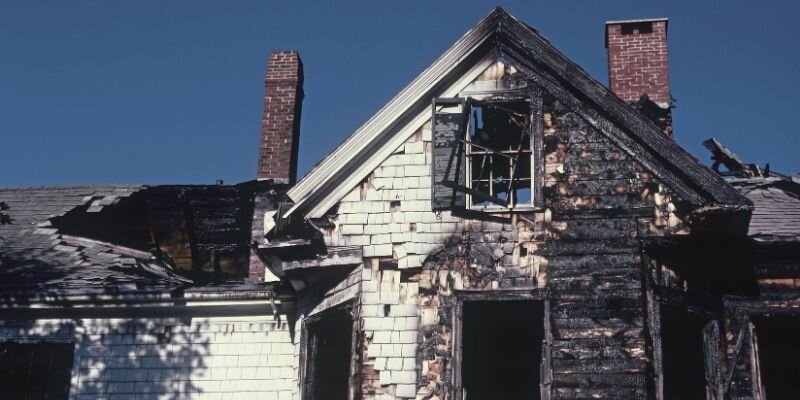
Selling a fire-damaged home isn’t impossible. The National Fire Protection Association reports 358,300 U.S. residential fires annually. This happens more regularly than most people think.
Washington’s real estate market offers many options. According to Redfin’s monthly housing market data, Washington’s median home price in May 2026 was $630,700. This is down 0.62% from 2025. Fire-damaged property is nevertheless valuable in this market.
Remember that you don’t have to restore everything before selling. Investors, cash purchasers, and some traditional buyers will acquire fire-damaged buildings as-is. Knowing your alternatives and picking the proper one is crucial.
Washington Fire Damage Property Sales: Legal Requirements and Regulations
Washington requires strong transparency. According to the Seller Disclosure Act (RCW 64.06), sellers must disclose property conditions, including fire damage. That duty still applies after the repairs are finished.
Washington’s Form 17 Seller Disclosure Statement asks about fire damage. Fire damage must be disclosed even if repairs were completed, so buyers can make an informed decision.
Disclosure matters. Hiding fire damage can expose you to legal liability, let the buyer rescind the contract, or leave you paying damages. Lack of fire disclosure has led to litigation years after closing for some sellers.
Disclosures span various topics. In environmental disclosures, you must record flooding, drainage issues, or property damage or contamination from fires, earthquakes, or landslides. Describe the damage, what was fixed, and any ongoing concerns.
Within five business days of signing a formal agreement to sell your property, you must give the buyer a copy of your completed disclosures. A buyer can accept the disclosure statement or cancel the purchase agreement. Within three business days, they must notify you in writing.
Specific Documentation Requirements
Washington asks for a lot of paperwork. Good record-keeping is a must, because the state requires specific disclosures. Keep your records organized and easy to reach throughout the process so you avoid delays and close smoothly.
Keep all fire department reports, insurance claims, contractor estimates, receipts for repairs, and inspection reports. This paperwork is your protection and helps buyers to see exactly what they are buying.
Assessing Fire Damage Value: Professional Appraisal Methods for Washington Homes
Fire damage doesn’t instantly lower home value, but it can severely impact it. Impact mainly depends on damage severity and repair quality. Smoke damage may diminish property value, but structural damage can significantly lower it.
Some light smoke-damaged homes can sell for near their pre-fire value after cleaning and restoration. However, houses with major structural flaws may sell for significantly less. Damage severity and repair quality often determine the difference.
Details from professional damage assessment contractors can assist in estimating the value decline and determining the price. We recommend getting various evaluations from fire restoration specialists, structural engineers, and real estate appraisers because each has a unique perspective.
Value is mainly affected by foundation and framing integrity, electrical and plumbing system damage, HVAC smoke contamination, firefighting water damage, and roof or external damage.
Based on location, size, condition, and nearby sales, the property’s pre-fire value is approximated. Post-Fire Value is generally decreased due to repairs and rehabilitation from smoke, water, or structural damage.
If repairs return a home to its pre-fire condition, its value may rise. This increases your chances of a decent cash offer. Many homeowners sell their property as-is because rehabilitation expenditures often exceed property value increases.
Need to sell your home for cash in Washington? Get a competitive cash offer and close quickly, without the stress.
Market Factors in Washington
Final valuation changes are also heavily influenced by the strength of the local real estate market. Washington’s market differs significantly by area. Redfin put King County’s median sale price at $847,165 in August 2026, down 4.3% from a year earlier.
In hot markets like Seattle and Bellevue, fire-damaged buildings continue to draw investors. Homes in King County sold after a median of 26 days on the market in August 2026, up from 20 days a year earlier. Your fire-damaged home may take longer than a move-in ready listing, but the demand is real.
Insurance Claims and Fire-Damaged Property Sales in Washington
Having insurance complicates everything. In most policies, homeowners must consult with the insurer before making big property decisions. You can often sell the home, but negotiate with your insurer to avoid claim processing or policy problems.
Sometimes insurance companies favor repairs over total loss compensation, even if restoration isn’t financially viable for the homeowner.
Homeowners should also grasp fire claims’ financial implications. Fire damage averages $77,340, much more than wind or hail damage. Building fires can cost over $200,000.
Multiple insurance approaches exist. Residents can accept the insurer’s repair estimate and manage the restoration, negotiate a cash settlement and sell the property as-is, execute repairs as requested, or seek independent evaluations if they disagree.
Some homeowners seek cash offers from companies like Sell My House Fast For Cash while their insurance claims are being processed. This provides negotiating leverage and a backup plan if insurance doesn’t cover everything.
Restoration Costs in Washington
Washington’s labor costs are greater than the national average. Skilled trades are pricey, particularly in King and Snohomish counties. Here are the typical restoration costs:
- Water damage restoration: $2,000 to $10,000
- Smoke removal: $3,000 to $15,000
- Structural repairs: $20,000 to $100,000 or more
- Electrical system replacement: $8,000 to $25,000
- HVAC replacement: $10,000 to $30,000
- Complete rehabilitation: $50,000 to $300,000 or more
Get written restoration estimates and compare them against what the finished house would be worth. Deduct the projected repair expenses from the actual selling price to obtain an estimated preliminary property value.
As-is Sale Benefits
Selling as-is takes away a lot of problems: you don’t have to deal with contractors or permits, you don’t have to worry about when things will be done, you don’t have to pay extra money, and the closing process goes faster (often just two to four weeks).
As-is sales to cash buyers usually go through in two to four weeks, which is a quick settlement. Restoration, on the other hand, can take months.
Companies like Sell My House Fast For Cash are experts at buying homes that have been damaged by fire. They take care of all the details and give you a straight cash offer based on how things are right now.
What to Include in Fire Damage Disclosures

Write down the date and cause of the fire, the areas burned, the smoke, and the water that got there, the fixes that were done and who did them, any problems that are still going on, the details of your insurance claim, and any structural issues.
You must still tell a problem even if it’s not obvious, such as foundation cracks or water damage. Don’t think that buyers will find other problems when they check the house.
Structural Safety Inspections for Fire-Damaged Properties: Washington Standards
Washington state law does not require precise repairs for fire-damaged homes, but safety criteria must be satisfied. The state places a priority on life safety over cosmetic issues.
Fire impacts structural integrity in ways that are not often apparent. Heat degrades steel beams and spoils concrete. It can destroy elements of the foundation. The inspection will look at the structural integrity of the home, safety issues, and concealed problems.
Professional inspections are important for several reasons: insurance, buyer confidence, legal protection, pricing correctness, and safety verification.
Getting an official appraisal report might increase your chances of making the sale because it tells buyers that the house adheres to all safety laws. An expert assessment gives an impartial report as to the existing condition of your home.
Finding Cash Buyers for Fire-Damaged Properties in Seattle and Spokane
Cash buyers are the quickest way to sell fire-damaged properties. Some homeowners will sell the property as-is for cheaper costs. This makes properties damaged by a home fire a real estate bargain. However, the cost to restore structural damage might be much larger.
Both Seattle and Spokane are active investor markets, and we buy houses in Seattle in any condition. Home structure fires happen in every part of the country, and Washington State is no exception. More affected are places like Seattle, Tacoma, and Everett due to population concentrations and urban forms, although cities like Sammamish and Woodinville, which are more suburban and rural in nature, also have wildfire hazards.
Generally, if a property is priced above what the needed repairs justify, buyer demand stays thin. However, properties with modest damage may appeal to buyers who want to rebuild and add value. Smart investors find opportunity where others see difficulty. If you are considering handling the sale independently, learning how to sell your house without a realtor can help you navigate the process more confidently and keep more of your proceeds in your pocket.
At Sell My House Fast For Cash, we buy houses in Tacoma and other areas so homeowners can move forward quickly, easily, and on their terms.
Marketing Strategies for Fire-Damaged Homes in Washington’s Competitive Market
Marketing fire-damaged properties is a wise move in Washington’s competitive market. If the property sits in a desirable area, buyer interest runs higher. Demand is increased by a restricted supply of available homes in that location.
Location matters. A fire-damaged property in Bellevue or Kirkland will get more attention than a similar property in the country. House fires cost more than $9 billion in damage per year in the U.S., and the economic effects are felt in real estate markets in high-value locations in Washington, including Bellevue, Kirkland, and Redmond. Cities such as Lakewood, Auburn, and Edmonds are not immune to the risks associated with increased incidences in fire-prone areas, which can damage property prices.
Target Audience Identification
Some sorts of buyers are attracted to fire-damaged properties, including real estate investors, house flippers, contractors, owner-occupants looking for a sale, and land developers (for the most serious damage).
But there could be more demand in damaged properties than you realize. You might get a better sale if you sell on the history of the house, the characteristics, and the opportunity for additional restoration. Some buyers like properties that have been destroyed in the past or recently renovated because they wish to tear the property down and rebuild it completely, or add new amenities.
Pricing Strategy
Figure out how much you’ll need from the sale to cover the costs. Do your research on current real estate trends in your area and the price point of buyers.
Pricing a fire-damaged property requires balancing multiple factors: estimates of repair costs, local market circumstances, specific characteristics of the property, size of the pool of potential buyers, and timing constraints.
Be flexible with negotiations and price according to the buyer’s preference. Fire-damaged properties need more discussion than a typical sale.
Emergency Sale Options for Fire-Damaged Homes: Washington Timeline Considerations
Sometimes you have to sell instantly. Washington recorded 30,893 fire incidents in 2024, with 72 fire fatalities and over $495 million in property and content loss, according to the State Fire Marshal’s Office. The financial strain can be tremendous.
Emergency sales are all about speed, not maximum price. Your best timetable balances your immediate cash needs with prospective benefits. Critical elements include the monthly carrying costs (taxes, insurance, upkeep). You need to balance these factors in light of your unique circumstances to decide whether you want a speedy settlement or maximal recovery of assets.
Fast Sale Options
Options for an emergency sale include: cash buyer networks, investor direct sales, auction platforms, wholesale arrangements, and short sale negotiations (if underwater).
As-is purchases to cash buyers often close within 2-4 weeks for a quick settlement. In case of really urgent situations, this timetable can be shortened to 7-10 days.
We provide a fast and professional home-selling solution with flexible closing options and no repairs or listings required. Whether you need to sell quickly or simply want a hassle-free process, Contact Us today to discuss your options.
Carrying Cost Considerations
Fire-damaged properties quickly collect costs: property taxes, insurance premiums (if maintained), utility bills for property protection, security measures, and continued exposure damage.
Traditional market listings after restoration follow a longer path: a rehabilitation period, ranging from 2 to 6 months, depending on the damage. Emergency sales eliminate these high carrying expenses.
Sell My House Fast For Cash specializes in emergency transactions, often closing within a week.
Frequently Asked Questions
Can You Sell a House with Fire Damage in Washington?
Washington fire-damaged homes can be sold. Damaged properties can be sold in the state; the seller’s disclosure statement must include fire history and damage extent. Investment buyers aggressively seek fire-damaged buildings for restoration.
What Makes a House Unable to Sell in Washington?
Fire damage rarely makes houses unsellable. Title concerns, major structural damage, environmental contamination, and legal challenges do. Rehabilitation investors or cash buyers can buy even seriously fire-damaged buildings. Practical pricing and disclosure are crucial.
How Hard Is It to Sell a House with Fire Damage Compared to Other Damage Types?
Because fire damage is more evident and localized, it sells better than termite damage. Fire damage is usually confined to the rooms the fire reached, while termite damage can hide throughout the structure and keep spreading. The scope of fire repairs is usually easier to define, which makes the disclosure simpler to write.
What Is the Property Damage Disclosure Law in Washington State?
According to Washington’s Seller Disclosure Act (RCW 64.06), sellers must declare all material flaws, including fire damage, in their seller disclosure statement. The disclosures must be provided within five business days of signing a purchase agreement, and buyers have three business days to examine and perhaps withdraw the sale.
Moving Forward After Fire Damage in Washington
Selling a fire-damaged house doesn’t need to be difficult. We’ve taken dozens of Washington homeowners through the process, from Olympia to Bellingham. Whether you’re looking to restore, sell as-is, or something in between, the bottom line is knowing your alternatives and making informed judgments.
When you want to sell a fire-damaged house in Washington, you need to take a deliberate strategy based on a thorough inspection and strategic planning. Keys to success include: Expert damage documentation and assessment to establish a credible baseline for negotiation, exact compliance with Washington state disclosure requirements, strategic pricing based on current market conditions, and determining the best sale method for your situation. Each sales avenue (cash purchasers, standard market listings, or auction platforms) has unique perks that need to meet your timeframe and financial goals.
Want to see what your alternatives are, with absolutely no pressure? Sell My House Fast For Cash can give a no-obligation evaluation of your fire-damaged property. We’ve helped Washington residents take their fire damage problems and transform them into fresh starts. Sometimes the finest way forward is the way that moves you forward again.
Helpful Washington Blog Articles
- How to Sell a Condemned House in Washington
- Average Cost to Sell a House in Washington
- How to Sell a Fire-Damaged House in Washington
- Do Open Houses Still Work For Selling Homes In Washington
- How To Sell Your House Without A Realtor In Washington
- Sell Your House and Move Out of State
- Can Medical Debt Force You To Lose Your Home In Washington
- Sell House With Water Damage in Washington
- Selling a House That Needs Repairs in Washington
- What Washington Homeowners Actually Lose When Selling a House As-Is
- Can You Sell a House With Termites in Washington