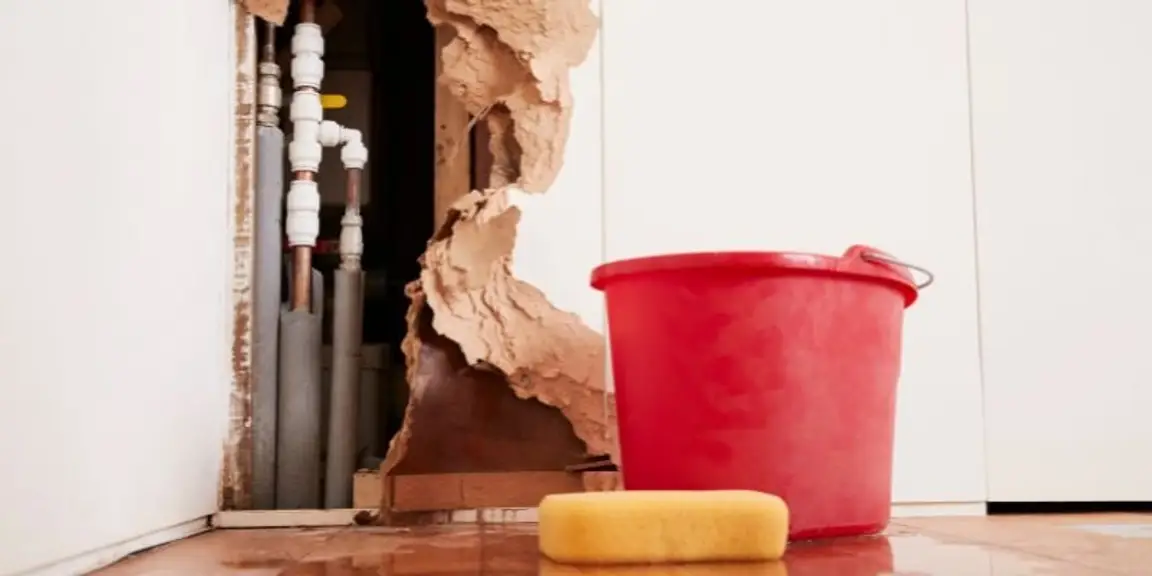

Water ruins more than drywall. It ruins plans, timelines, and occasionally the financial cushion you were counting on when you finally decided to sell. I’ve walked through hundreds of houses across Washington State, from flooded basements in Renton to moldy crawl spaces in Olympia, and the homeowners I meet are rarely in trouble for ignoring a problem. They’re in trouble because nobody told them how to handle the situation once it was already there.
This guide is for you if you’ve got water damage and need to make a decision.
Understanding the Full Scope of Water Damage Before You Sell

Selling a water-damaged home without a clear plan is how sellers lose the most money. Not thousands. Tens of thousands. The first mistake I see is homeowners skipping straight to “how do I sell this?” without first being honest about what they’re dealing with.
Water damage ranges from a one-time roof leak that stained a bedroom ceiling to years of slow moisture intrusion that has rotted out floor joists under a Tacoma bungalow. A stained ceiling is a straightforward disclosure with minor cosmetic repair, while rotted floor joists are a structural issue that affects financing, pricing, and your buyer pool simultaneously.
The Brooks family went through this firsthand. Last month, I worked with them on a split-level in Puyallup that they were dividing as part of a divorce settlement. They needed it gone quickly, and they didn’t want to fight about repairs. The garage had a slow-draining issue that nobody had addressed for years, and there was visible mold along the back wall. We were able to close in under three weeks because they came in with a clear picture of the damage and realistic expectations from day one. The paperwork was clean, the price reflected reality (both sides had already accepted that), and everyone moved on.
Moisture problems in Washington homes rarely stay contained. A small leak near the Cascade foothills can seep into insulation, and from there, mold can take hold fast. Wet Pacific Northwest winters mean soil stays saturated longer, putting constant pressure on foundations and drainage systems from Bellingham to Vancouver. By the time you notice a musty smell in the basement, the problem’s usually been going on for six months.
Getting a clear picture of the damage before listing means you control the narrative. Buyers who discover it themselves during a home inspection will always assume the worst-case cost, and they’ll negotiate accordingly.
What Causes Water Damage in Washington Homes
What’s behind most of the water damage I see in Washington homes? Rarely is it one dramatic event. Most of the time, it’s years of ordinary Washington weather doing exactly what it does.
Seattle averages around 38 inches of rain per year, but the pattern matters more than the total. It’s the weeks-long drizzle from October through March that keeps soil saturated, overwhelms aging drainage systems, and seeps through any gap in a foundation or crawl space. Homes in areas like Issaquah, Monroe, Snohomish, and Everett sit in valley floors where water has nowhere to go after a big rain. Homeowners who need cash home buyers in Everett often choose to sell as-is rather than invest in extensive water damage repairs before listing.
Roof failures are another common source. A cracked flashing around a chimney or a few missing shingles on a Spokane split-level during a November storm can let water travel twelve feet before it shows up as a stain on a first-floor ceiling. By then, it’s been wet inside the wall for weeks. Plumbing leaks, especially slow supply-line drips behind washing machines and under kitchen sinks (I’ve seen them go years unnoticed), create the kind of hidden moisture that only shows up when you pull out a cabinet.
Flooding is its own category. Communities along the Skagit River, the Chehalis River valley, and low-lying areas in Lewis County have dealt with repeat flood events that leave behind silt, contaminated water, and structural stress that standard remediation doesn’t fully address.
Pipe failures in older homes, particularly those built before 1980 with galvanized steel supply lines, are increasingly common as the pipes corrode from the inside out. An Olympia rambler with original plumbing is one cold snap away from a burst pipe that can push water under a slab or through a crawl space before anyone notices.
How Bad Is the Water Damage? Getting a Professional Assessment
Sellers sometimes push back on this step because they’re afraid of what an inspection will find. The logic makes sense emotionally, but it works against you financially every single time.
A certified home inspector or licensed water damage remediation specialist will give you a written scope of damage with estimated repair costs. The document is worth its weight in gold when you sit down to negotiate, because you’re working from facts rather than letting buyers fill in the blanks with their own (always higher) guesses. Without that report, a buyer’s inspector finds moisture, and suddenly the buyer wants a $40,000 credit based on nothing but fear.
Water damage falls into three basic categories. Category one is clean water from a supply line or appliance. Category two involves gray water with some contamination, typically from appliances or toilet overflows. Category three, called black water, refers to sewage or floodwater and poses health risks that require professional remediation before any sale proceeds. The category matters because it determines what remediation actually costs, which determines how you price the property.
Mold changes the calculation sharply. Mold remediation in a Washington State home can run anywhere from a few hundred dollars for surface treatment to well over $20,000 when it involves wall cavities or subfloors. A mold assessment from a Washington State licensed contractor is the only way to know which end of that range you’re at.
Structural damage, particularly damage to floor joists, the sill plate, or the foundation, requires a structural engineer’s opinion, not just a general contractor’s estimate. If the damage is visible, buyers’ lenders will require it anyway, so you may as well have it before the listing goes live.
Washington State Legal Disclosure Requirements for Water-Damaged Homes
A seller listed a home in Kent without disclosing a history of basement flooding. The buyer’s inspector found evidence of prior water intrusion, the sale collapsed, and the seller lost six weeks and over $3,000 in carrying costs. The disclosure question wasn’t optional. It never is.
Washington State requires sellers to complete a Seller Disclosure Statement under RCW 64.06. The form asks directly about water damage, flooding, moisture problems, mold, and drainage issues. Checking “no” when the answer is “yes” exposes you to liability that doesn’t expire at closing, and I’ve seen a sale unwind years later because of it.
Sellers sometimes ask me whether they need to disclose old, repaired damage. If the damage is material and you are aware of it, disclosure is the safer choice, as any real estate attorney would agree. Washington courts have repeatedly sided with buyers who claimed they weren’t told about prior flooding, even when the seller had completed repairs years before the sale.
Real estate agents are also required to disclose known material defects, so don’t assume your agent will soften the situation. They have their own legal skin in the game.
Disclosing water damage doesn’t automatically kill a sale. In fact, sellers who disclose fully and bring documentation, repair receipts, an inspection report, and remediation records actually close faster than those who try to obscure the problem. Buyers trust documentation. They don’t trust evasion. If you’re selling a home with broader repair issues, our guide to Selling a House That Needs Repairs in Washington explains how to set realistic expectations and attract the right buyers.
Should You Repair the Water Damage or Sell As-Is?
For years, I defaulted to telling sellers to fix what they could before listing. I was wrong about that more often than I want to admit.
The repair-vs.-sell-as-is decision isn’t about what looks better; it’s about return on investment. Spending $18,000 on remediation and subfloor replacement in a Lakewood home doesn’t guarantee you’ll recover that $18,000 in the sale price, especially in a market where buyers are now sitting with more options. With Washington’s housing inventory up 37.5% year over year as of mid-2025, buyers have room to negotiate. Pressure like this works against sellers who pour money into pre-sale repairs, hoping to hit a top-dollar price point.
Do the math first. Get a repair estimate. Then ask a local agent or cash buyer what the home would sell for, repaired versus as-is. If the spread is narrower than the repair cost, selling as-is wins. I’ve seen math play out in favor of the as-is more often than most sellers expect.
Some repairs do pay off. Stopping an active leak before listing is non-negotiable; selling with water still coming in creates liability and kills financing. Replacing visibly rotted wood that a buyer can see during a walkthrough is worth doing if it’s cheap. But full remediation on a home that’s already going to carry a stigma in the market? That’s often money spent chasing a buyer pool that may not materialize.
Cosmetic fixes, fresh paint, cleaned carpets, and a pressure-washed exterior cost very little and help buyers see past the damage. Major structural repairs should be pencil-etched on paper before you commit.
How Water Damage Affects Your Home’s Pricing Strategy in Washington
Price it wrong, and the property sits, and every week it sits, costing you money. Days on market in Washington averaged about 31 days for typical homes as of recent data, but a water-damaged home priced without accounting for the damage and the smaller buyer pool can stretch that timeline out by months.
Water damage typically reduces resale value by 10% to 25%, depending on severity, location, and whether remediation has been completed. On a home priced at Washington’s statewide median of $640,000 as of July 2026, that’s a range of $64,000 to $160,000 in lost value.
With a water-damaged home, your pricing strategy has to account for two things most sellers overlook. First, your buyer pool is smaller, which means competition for your property is lower, and your pricing power is reduced from the start. Second, if you’re selling through the traditional market, buyers who want financing need their lender to agree on value, and those lenders get nervous around water damage. A low appraisal can kill a financed sale even after a buyer has agreed to your price.
Sellers in Bellevue, Kirkland, and other high-demand Eastside markets sometimes assume the area’s strength will absorb the damage penalty. It doesn’t. Market strength helps a turnkey property, but it doesn’t eliminate the discount for a property with known structural or mold issues. Pricing has to reflect the actual condition, not the neighborhood’s reputation.
Why Water-Damaged Homes Are Hard to Market to Traditional Buyers
Conventional mortgage lenders, including those backing FHA and VA loans, routinely decline to finance homes with unrepaired water damage, active mold, or structural deficiencies. This fact cuts your buyer pool before you even get to a showing.
A buyer who loves your Spokane Valley split-level may not be able to buy it if their lender won’t underwrite the loan. FHA and VA appraisers are required to call out visible moisture, peeling paint near moisture sources, and any evidence of mold during the appraisal process. One flag from an appraiser sends the sale into a required-repair spiral that often kills the transaction entirely, making a clean visual presentation before listing matter more than most sellers expect.
Beyond financing, traditionally listed homes with water damage face a marketing problem. Listing photos that show stained ceilings, warped flooring, or visible mold drives buyers away at the search stage, before they ever schedule a showing. And if you try to photograph around the damage, the inspector finds it anyway, and buyers feel misled, which is worse than seeing it upfront (and that kills the sale fast).
Open houses with musty smells are a buyer repellent that no amount of candles can overcome. I’ve watched buyers walk out of Renton showings within 2 minutes of opening the door. The sensory experience of water damage triggers a gut-level reaction that’s very difficult to overcome with marketing copy, no matter how good the listing photos look.
Traditional sale timelines also work against you. A typical escrow runs 30 to 45 days after you go under contract. Add the time to find a buyer willing to take on a damaged property, negotiate through inspection findings, and wait for lender approval that may never come, and you’re often looking at three to five months from listing to closing.
Which Buyers Will Actually Purchase a Water-Damaged Home in Washington
The idea that you’ll find a handy first-time buyer who sees the “potential” and falls in love breaks down pretty fast in practice. First-time buyers are usually the most financing-dependent, which puts them out of the running the moment a lender flags the property.
Three buyer types actually close on water-damaged homes. Investors who buy properties to renovate and resell are the largest group. They purchase based on the after-repair value, subtracting the cost of repairs and their profit margin. Expect their offers to reflect that formula, which means they price the damage in at a higher cost than a retail contractor would charge, because they’re assuming risk on top of cost.
Landlords and buy-and-hold investors represent a second group, though they apply a similar discount model. A water-damaged duplex in Tacoma or a single-family rental in Federal Way still has to make sense on a rent-to-value basis after repairs, so their offers are calculated with tight margins.
Cash buyers, including companies that specifically buy distressed properties, are the third group and typically the fastest-moving. Their advantage isn’t just the cash; it’s the absence of lender approval, which removes the most common sale-killer. No appraisal contingency means no appraiser flagging your wet crawl space and sending the sale into a renegotiation spiral.
The buyer pool is narrow, but it’s real. Knowing who those buyers are lets you market to them directly instead of wasting time and money staging a home for families who can’t finance the purchase.
Why Washington Cash Home Buyers Are Different From Traditional Buyers
Why does that matter so much? Cash buyers don’t need your house to qualify for anything.
That one fact changes everything about the transaction. No lender means no appraisal. No appraisal means no mandatory repair list handed down from an underwriter in another state who has never seen your property. No required repair list means you can close on the condition the house is in right now, not on some future repaired version.
Cash home buyers in Washington who focus on distressed properties have seen enough water damage to price them accurately. A traditional buyer’s home inspector hands them a repair estimate from a general contractor, and the buyer panics at the total. An experienced cash buyer has paid for mold remediation in Lynnwood and subfloor replacement in Tacoma and knows what things actually cost (carrying costs add up fast, too). That experience usually produces a more rational offer than what you’d get from a frightened retail buyer three days after their inspection.
Speed matters in these situations, too. Carrying costs on a home sitting in disrepair add up fast: mortgage payments, property taxes, insurance, and utilities don’t pause while you wait for the right buyer. Closing in two to three weeks, rather than three to five months, is a real financial difference, not just a convenience. The Sell My House Fast For Cash team works with Washington homeowners in exactly these situations, buying properties in as-is condition without requiring sellers to repair anything before closing.
How to Negotiate with Buyers When Your Home Has Water Damage
Sit across from someone trying to buy your damaged house at a steep discount, and remember: they need a sale to work, too. Their lowball opening offer isn’t personal; it’s their starting position, and yours should be equally deliberate.
Before any negotiation, please gather your documentation. An assessment from a licensed remediation contractor, the home inspection report, any insurance claim history, and repair receipts for completed work are required. Sellers who walk into negotiations with a fat folder of paperwork negotiate from a stronger position than those who shrug and say, “I’m not sure what it costs to fix.”
Buyers negotiating on damaged properties usually anchor to worst-case repair numbers. Counter with your actual remediation estimates. If a buyer says the water damage will cost $50,000 to fix and your licensed contractor puts it at $22,000, the actual estimate is your leverage. Documentation beats speculation every time.
Price your property to move, but not so aggressively that you signal desperation. A house priced 15% below comparable undamaged homes in Redmond or Kenmore signals to buyers that you’ve already factored in the condition. Pricing 30% below sends a different message: that something is very wrong or the seller is panicked, and buyers start wondering what you’re not telling them.
One thing that catches sellers off guard: repair credits, rather than price reductions, create problems for financed buyers because lenders cap the size of a seller’s credit relative to the purchase price. With a cash buyer, there are no credits; you just negotiate the price. Easier and faster.
How to Sell a House with Water Damage in Washington

A property manager in Maple Valley had inherited a rental house from her aunt and spent eight months trying to manage it from three states away. Renee Delgado called me on a Thursday with a clear request, she was done. The tenants had moved out, she’d discovered water damage in the crawl space and a broken sump pump in the corner of the garage, and she had no interest in becoming a landlord or a general contractor. She wanted it sold and off her plate, which I’ve heard from out-of-state heirs more times than I can count.
We made her an offer by Friday. She chose her own closing date, we handled everything after that, and she didn’t repaint a single wall.
That’s how it actually works when the seller knows what they want and finds the right buyer.
The steps that get you there:
First, get the assessment done so you know what you’re dealing with. Second, pull your insurance claim history from CLUE reports, since buyers will request it anyway. Third, complete the Washington State Seller Disclosure Statement accurately, including water damage (which has its own section). Fourth, decide on your sale path: traditional listing, investor listing, or direct cash sale.
A direct cash offer from Sell My House Fast For Cash, where we buy Washington homes, bypasses most of the friction in this process: no open houses, no waiting for financing approval, and no repair demands from a lender. You get an offer based on the current condition, choose a closing date that works for you, and you’re done.
If traditional listing appeals to you, work with an agent who has sold distressed properties before. Not every agent knows how to market a damaged home or handle the negotiation that comes after inspection, which means you can end up with bad advice at exactly the wrong moment. The wrong agent will pressure you to spend money on repairs that won’t pencil out.
Set the price based on your actual buyer pool, not on what your neighbors’ homes sold for. Comparable sales on undamaged homes set a ceiling, not a floor. Your floor starts below that ceiling at the cost of remediation, plus the discount required to bring in a buyer who accepts the remaining risk.
Washington’s real estate inventory is up, and buyers have options. This means that a water-damaged property priced incorrectly will remain unsold, costing you money in carrying costs each week while your equity erodes.
Frequently Asked Questions
Do Realtors Have to Disclose Water Damage?
Yes, real estate agents in Washington State are legally required to disclose known material defects, and water damage qualifies as such. If your agent is aware of flooding, mold, or structural issues caused by moisture and fails to disclose them to a buyer, both you and your agent face legal exposure. This is one reason full transparency at the start of the process protects everyone involved.
How Long Are You Liable After Selling a House in Washington State?
Washington’s statute of limitations for construction defect and disclosure claims generally runs for three years from the date the buyer discovered, or should have discovered, the problem. Still, certain claims can extend up to six years, depending on the type of claim. Selling a damaged property with full, documented disclosure is the strongest protection you have. An attorney familiar with Washington real estate law can give you specific guidance based on your situation.
How Much Does Water Damage Devalue a House?
The short answer is that it depends on severity, whether it was remediated, and what evidence of prior damage remains. Unrepaired, active water damage can reduce a home’s value by 10% to 25% compared to a comparable undamaged property in the same area. Fully remediated damage, with documentation showing completed repairs, has a much smaller price impact if a licensed contractor performed the repairs and there are no residual mold or structural concerns.
How Do You Sell a Home with Structural Damage?
Start with a structural engineer’s report to understand the actual scope and cost. From there, your two paths are repair-before-sale or sell-as-is to a cash buyer who can close without lender involvement. Traditional buyers financing through a bank almost always run into problems when structural damage is present because appraisers are required to flag it, and lenders won’t fund the loan until repairs are completed. A direct cash sale sidesteps that entire cycle and often closes in a fraction of the time.
If you’re sitting in a Washington home with water damage and you want to talk through your options without any pressure, contact us at Sell My House Fast For Cash. We work with homeowners across the state, buy in as-is condition, and can usually give you an offer within 24 hours. No obligation, no repairs required, and no lengthy process to wade through.
Helpful Washington Blog Articles
- How to Sell a Condemned House in Washington
- Average Cost to Sell a House in Washington
- How to Sell a Fire-Damaged House in Washington
- Do Open Houses Still Work For Selling Homes In Washington
- How To Sell Your House Without A Realtor In Washington
- Sell Your House and Move Out of State
- Can Medical Debt Force You To Lose Your Home In Washington
- Sell House With Water Damage in Washington
- Selling a House That Needs Repairs in Washington
- What Washington Homeowners Actually Lose When Selling a House As-Is
- Can You Sell a House With Termites in Washington