![How to Sell a House With Mold [market_city]](https://image-cdn.carrot.com/eyJidWNrZXQiOiJwcm9kdWN0aW9uLmNhcnJvdC11cGxvYWRzLm9uY2Fycm90LmNvbSIsImtleSI6InVwbG9hZHMvc2l0ZXMvNzM2MDkvMjAyNi8wNi9Ib3ctdG8tU2VsbC1hLUhvdXNlLVdpdGgtTW9sZC5qcGciLCJlZGl0cyI6eyJyZXNpemUiOnsid2lkdGgiOjExNTJ9LCJ0b0Zvcm1hdCI6IndlYnAiLCJ3ZWJwIjp7InF1YWxpdHkiOjcwfX19)

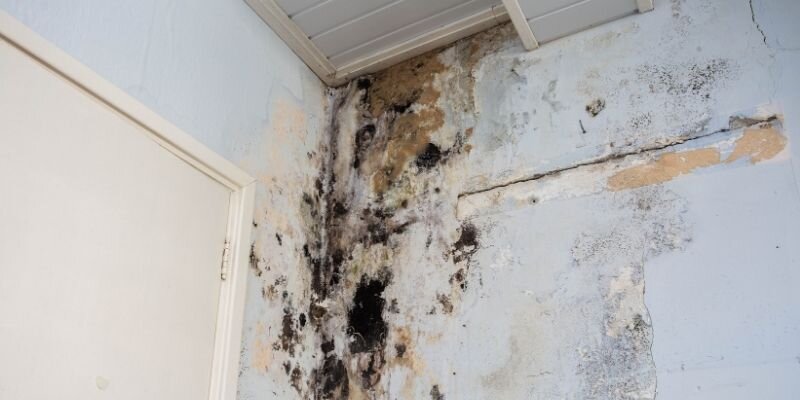
Spotting mold before listing your home in Washington is more common than most sellers expect. The rainfall, aging housing stock, and sustained humidity create conditions where mold shows up in crawl spaces, behind bathroom walls, and under sinks with enough regularity that experienced buyers and agents have seen it before. A mold problem does not automatically end a sale. How you handle it determines whether it becomes a minor negotiation point or something that ends the sale.
How to Identify Mold Problems in Your Washington Home Before Listing
Start with your nose. A persistent musty odor in certain rooms is often your first signal before anything is visible.
Next, conduct a visual inspection. Focus on areas where moisture accumulates: bathroom corners, basement walls, under sinks, around windows, and anywhere you’ve had leaks. Common types in Washington homes include Aspergillus, Cladosporium, Penicillium, and the well-known black mold. Look for black spots, green patches, or white fuzzy growth, but know that mold frequently hides behind walls, under carpets, and inside HVAC systems.
Washington’s climate is particularly unforgiving. Seattle sees rain roughly 150 days per year, and sustained humidity creates ideal conditions for mold to establish itself without any dramatic flooding event. Brown rings on ceilings, warped flooring, peeling paint, and soft drywall all suggest moisture has been present long enough to matter. Even homes that appear well-maintained on the surface can harbor mold in areas that rarely get inspected during routine upkeep.
Don’t overlook the crawl space. Many Washington homes have ventilated crawl spaces that quietly accumulate moisture year after year. It’s common to find a home with a perfectly presentable main floor and a crawl space covered in mold growth. Ground moisture, inadequate vapor barriers, and poor ventilation all contribute to crawl space mold, and in older homes these systems are often the weakest point in the building envelope.
Attics are another frequently missed area. Inadequate roof ventilation traps warm, moist air that condenses on the underside of sheathing and creates ideal conditions for mold. In Washington’s wet climate, this is particularly common in homes where bathroom exhaust fans vent into the attic rather than outside. A quick look with a flashlight during your pre-listing walkthrough can reveal problems before a buyer’s inspector does.
Professional mold inspections typically cost $300 to $1,025 and are worth considering when you suspect problems in areas you can’t easily access. An inspector can identify hidden issues and provide documentation useful for insurance claims or buyer negotiations. If you’ve had any history of roof leaks, plumbing failures, or flooding, a professional inspection before listing gives you a clear picture of what you’re working with and time to address it on your terms rather than reacting to a buyer’s report.
Should You Get a Professional Mold Inspection Before Selling Your Washington House
Testing feels like due diligence, but it comes with a consequence sellers often don’t anticipate: a permanent paper trail.
Once you have documented proof of mold species and concentration levels, you’re legally obligated to disclose those specifics to buyers. Without formal testing, you can address visible mold and disclose that you had a mold issue that was remediated without getting into spore counts or species classifications that can alarm buyers unnecessarily. The distinction matters because buyers react differently to “we had mold and addressed it” versus a lab report showing elevated spore counts of a specific species.
Testing makes clear sense in two situations: when a buyer requests it as part of an inspection contingency and when filing an insurance claim for water damage that led to mold growth. Outside of those circumstances, if you already know mold is present and needs professional attention, you’re better served spending that money on remediation quotes rather than lab reports.
There is one exception worth noting. If you genuinely don’t know the extent of a suspected problem and the answer would change your remediation strategy or pricing decision, testing can provide useful clarity. A situation where you smell mold but can’t locate the source is a reasonable candidate for professional assessment. The goal is making an informed decision, not generating paperwork that complicates your sale.
Mold Remediation Cost in Washington and Whether It Is Worth It Before Selling
Remediation costs in Washington average around $2,600, with most projects falling between $1,500 and $4,250. Western Washington’s wet climate and Seattle metro labor costs push prices above national averages. Most professionals charge $10 to $25 per square foot.
| Location | Typical Cost Range | Notes |
|---|---|---|
| Bathroom (contained) | $500 to $1,000 | Early catch; rises to $8,000 if behind walls |
| Seattle metro | $2,226 to $2,418 | Above the national average due to labor costs |
| Tacoma area | $2,148 to $2,333 | Slightly lower than Seattle |
| Washington average | $1,500 to $4,250 | Most residential projects fall here. |
| Whole-house remediation | $15,000 to $30,000 | Typically follows major water damage events |
The decision to remediate before selling comes down to a straightforward calculation. A $3,000 remediation on a $450,000 home is an easy yes. A $15,000 remediation on a $200,000 home is a different conversation entirely. Small, contained problems almost always make financial sense to address. Extensive structural issues often do not, and in those cases, selling as-is may be the more practical path depending on your equity position and timeline.
Beyond the direct cost of remediation, consider what buyers will do with the information during negotiation. Buyers who receive a mold disclosure without accompanying remediation documentation will typically request a price reduction that exceeds what remediation actually costs. A buyer factoring in their own remediation timeline, the disruption of managing contractors after closing, and the uncertainty of an unknown scope will discount aggressively. Completing remediation before listing and providing thorough documentation often produces a better financial outcome than leaving it for buyers to price in.
Timing matters as well. Remediation companies in Western Washington can be booked out for weeks during the rainy season when demand peaks. If you’re planning to list in fall or winter, schedule remediation early. A completed remediation with a clear post-treatment report in hand is a stronger selling position than a pending appointment.
Not sure remediation is worth it on your property? Take a look at how we buy houses as-is, then weigh that against the cost and timeline of repairing and listing.
Washington Mold Disclosure Laws Home Sellers Must Follow When Listing
Washington is not a caveat emptor state. Sellers are legally required to disclose known defects, and mold is explicitly covered.

Form 17, Washington’s Seller Disclosure Statement, asks about water intrusion, drainage problems, and environmental concerns. Mold is not named on the form, so it falls under your broader duty to disclose known material defects. Failing to disclose known issues can result in contract rescission, damage claims, and fraud liability. The law requires truthful disclosure of what you actually know, including past issues that have since been remediated.
If you’ve had mold professionally addressed, provide documentation of that remediation to buyers. This isn’t just good practice; it actively protects you. Transparency about a resolved problem is far less damaging than a buyer discovering an undisclosed one after closing.
Disclosures must also remain accurate through closing. If mold develops between signing your disclosure statement and the closing date, you are required to update your disclosure accordingly. This is particularly relevant in Washington, given how quickly moisture conditions can change, especially during wet seasons, when a minor roof issue or plumbing slow leak can create new mold growth within weeks.
Sellers sometimes worry that disclosure will end the sale before it begins. In practice, buyers who are serious about a specific property in a competitive market accept disclosures as part of the process. What ends sales is the appearance of concealment. A buyer who feels deceived will walk away and may pursue legal remedies. A buyer who receives honest, well-documented disclosure of a resolved problem has no grounds for complaint and every reason to proceed.
How to Disclose Mold to Home Buyers in Washington the Right Way
Vague disclosures create more problems than they solve. Specificity protects you.
Rather than writing “some mold in the basement,” describe the location, approximate size, and any remediation completed. A disclosure like “black spots on basement wall near water heater, approximately two square feet, professionally remediated in March 2026 by ABC Restoration” gives buyers the information they need and demonstrates good faith.
A complete disclosure package should include:
- The exact location and approximate size of any mold found
- The moisture source that caused it and confirmation that it has been repaired
- The name and certification of the remediation company used
- Dates of inspection, treatment, and any post-remediation testing
- Receipts, photos, and a written scope of work from the contractor
Should disputes arise, this paper trail is your protection against claims that you knew more than you disclosed.
Avoid speculating about problems you haven’t confirmed. If you suspect mold behind a wall but haven’t verified it, disclosing unconfirmed suspicions creates liability without certainty. Disclose what you know and can document.
Always include information about the underlying moisture source. Buyers who learn about remediated mold without understanding whether the root cause was fixed will assume it will return. Whether the source was a leaky pipe, roof damage, or inadequate ventilation, explain what was repaired and how. A buyer who understands that the source was a faulty supply line that has since been replaced with updated plumbing is in a fundamentally different position than a buyer left to wonder whether the conditions that caused mold still exist.
Working with a real estate attorney to review your disclosure before submission is worth considering when the mold history is complex or involves multiple areas of the home. The cost of a brief legal review is modest compared to the potential exposure from an incomplete or ambiguous disclosure.
How to Prepare Your Washington Home for a Mold Inspection When Selling
Remediation alone isn’t enough. Preparation makes the difference between a sale that closes and one that falls apart at inspection.
Clear all affected areas before inspectors arrive. Move furniture away from walls and empty storage areas, and ensure crawl spaces and attics are accessible. Washington does not license or certify mold remediation contractors, so there is no state certification number to ask for. Ask instead for their IICRC certification, proof of liability insurance, and documentation of their containment procedures, air filtration methods, and post-remediation testing. The Washington State Department of Health explains what to look for when hiring.
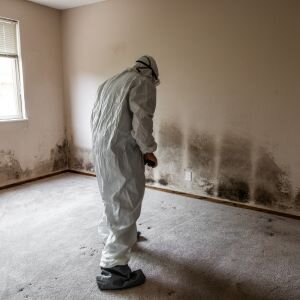
Address the moisture source before buyers inspect, not after. If a leaky pipe caused the problem, show the plumbing repair receipt. If poor bathroom ventilation was the culprit, install or upgrade exhaust fans. Buyers need evidence that the conditions creating mold no longer exist.
Consider having a post-remediation clearance test performed by an independent inspector before listing. This is a separate step from the remediation itself and involves air sampling or surface testing to confirm that spore levels have returned to normal. A clearance report from an independent party carries more weight with buyers than a certificate from the same company that performed the remediation, and it removes any question about whether the work was effective.
Plan for the timeline. Small to medium remediation projects typically take 1 to 3 days, while large or severe cases can take up to a week, longer if drywall or flooring replacement is involved. Build this into your listing schedule rather than rushing. Listing before remediation is complete or before post-remediation testing confirms clearance puts you in a weaker negotiating position and may require relisting if buyers walk away during inspection.
Finish with a thorough cleaning. Professional remediation handles the mold itself, but steam cleaning carpets, wiping all surfaces, and eliminating any lingering odor make a meaningful difference in how the home shows. First impressions affect buyer confidence in ways paperwork alone cannot.
Can You Sell a House with Mold in Washington?
Yes, with realistic expectations and the right approach.
Your buyer pool shrinks with a mold disclosure, but it doesn’t disappear. In high-demand markets like Sammamish, Kirkland, and Issaquah, buyers competing for limited inventory are more willing to accept known issues when they’re disclosed upfront and properly documented. In slower markets, buyers have more leverage and may push harder on price or remediation demands.
Positioning matters. There’s a meaningful difference between selling a house with mold and selling a house where a mold issue was identified, professionally remediated, and fully documented. The latter signals a seller who handled the problem responsibly, which builds buyer confidence rather than eroding it.
Pricing strategy is the other lever. When remediation is complete and documented, pricing at or near market value is defensible. When selling as-is with known mold, pricing must reflect the cost and disruption a buyer will absorb. Overpricing an as-is property with a mold disclosure is one of the most common reasons these listings stall. Buyers doing the math on remediation costs, carrying costs during repair, and the risk premium they’re accepting for an unknown scope of work will not pay full market value, and extended days on the market only deepen the discount they’ll eventually demand.
If remediation costs outweigh the return, working with investor home buyers gives you a direct path to selling as-is without repairs, cleanup, or extended time on the market. Companies that buy houses in Washington directly purchase properties in any condition, including those with mold issues, water damage, and deferred maintenance. You’ll sell at a discount compared to full market value, but you avoid remediation costs and the uncertainty of financed buyers walking away. Whether that tradeoff makes sense depends on your timeline, your equity position, and the scope of the problem. Sellers around Puget Sound can start with our pages on cash home buyers in Seattle, and we buy houses in Tacoma.
Mold in a Washington home is a challenge, not a sentence. Sellers who disclose honestly, document thoroughly, and price realistically consistently find a path to closing.
Frequently Asked Questions
How Hard Is It to Sell a House with Mold in Washington?
It depends heavily on the scope of the problem and your selling approach. Minor, remediated mold with proper documentation is manageable in most markets. Extensive mold requiring major reconstruction significantly narrows your buyer pool and typically calls for either aggressive pricing or selling the property directly without repairs.
Is Mold Common in Washington?
Yes. The combination of frequent rainfall, sustained humidity, and a large stock of pre-1980 homes makes mold a recurring issue throughout the region, particularly west of the Cascades. Most experienced Washington real estate professionals encounter mold disclosures regularly.
Does Mold Automatically Kill a Home Sale in Washington?
Not if it’s handled correctly. Proper disclosure, documented remediation, and realistic pricing address the concerns of most serious buyers. The sellers who struggle are those who either hide the problem or price it as if it doesn’t exist.
Mold doesn’t have to derail your sale. Whether you choose to remediate, disclose, and price accordingly, or sell as-is, the right approach depends on your timeline, your equity, and the scope of the problem. If you’d rather skip the repairs, the contractor estimates, and the uncertainty of the open market, Sell My House Fast For Cash buys houses in Washington in any condition and closes on your schedule without the back-and-forth of a traditional sale. Contact us to get a straight answer on what your home is worth as-is.
Helpful Washington Blog Articles
- Delinquent HOA Dues In Washington
- Best Time To Sell A House In Washington
- How to Sell a House with Title Issues in Washington
- Refinance A House After Divorce in Washington
- How to Sell a Condemned House in Washington
- Can the Seller Back Out of a Contract?
- Can You Sell a House With Mold in Washington
- How to File a Quitclaim Deed in Washington