![Should I Replace My Roof Before Selling My House [market_city]](https://image-cdn.carrot.com/eyJidWNrZXQiOiJwcm9kdWN0aW9uLmNhcnJvdC11cGxvYWRzLm9uY2Fycm90LmNvbSIsImtleSI6InVwbG9hZHMvc2l0ZXMvNzM2MDkvMjAyNi8xMC9TaG91bGQtSS1SZXBsYWNlLU15LVJvb2YtQmVmb3JlLVNlbGxpbmctTXktSG91c2UuanBnIiwiZWRpdHMiOnsicmVzaXplIjp7IndpZHRoIjoxMTUyfSwidG9Gb3JtYXQiOiJ3ZWJwIiwid2VicCI6eyJxdWFsaXR5Ijo3MH19fQ==)

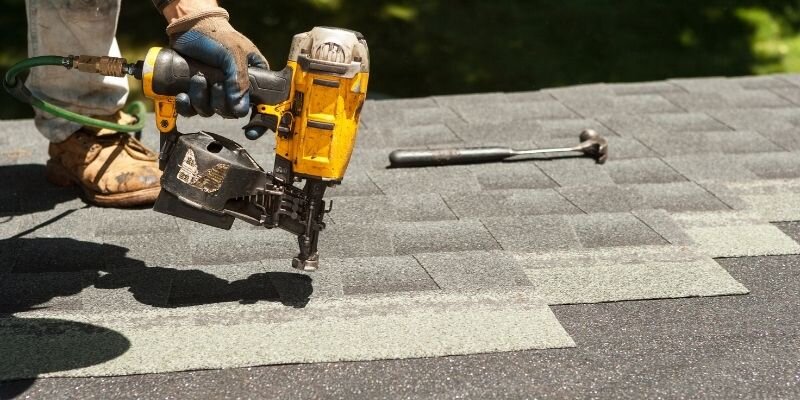
Should I replace my roof before I sell my house? It’s one of the first questions sellers ask us. A roof two or three years from the end of its life is going to cost you money at closing. The only real question is who gets that money: a roofer before the listing goes live, or a buyer after the inspection comes back.
I’ve watched sellers spend five figures on a new roof three weeks before listing, then accept an offer that would have landed anyway. I’ve also watched a sale fall apart deep into escrow over a ceiling stain the size of a dinner plate. Same decision, opposite outcomes. What separates them is usually how close the roof is to failing and how many months you can afford to carry the house.
Those months matter more right now. Homes across the country sat a median of 51 days on the market in September 2026, with a median sale price of $393,895, according to Redfin’s national housing market data. That’s a slower market with pickier buyers, and they’ve got more leverage at the table. For your roofing decision, that shift matters more than any ROI chart.
Table of Contents
The sections below cover:
- How home buyers size up your roof
- What a home inspection report says about it
- How much value a new roof really adds
- Choosing roof repair or replacement before selling
- Your legal disclosure duties
- Who’s behind this guide
- Answers to common seller questions
What Do Home Buyers Really See When They Look at Your Roof?
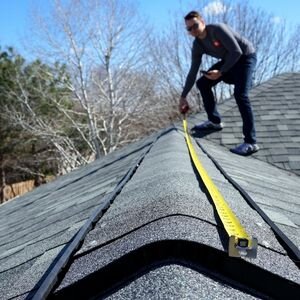
Sellers picture a buyer standing in the driveway, squinting at the ridge, counting curled shingles. Buyers almost never do that. They stand in the kitchen, pull out a phone, and text their agent one line: how old is the roof?
Age moves them far more than appearance does. An eighteen-year-old shingle roof that looks fine from the street still reads as a future bill. A buyer stretching to afford the mortgage payment has no cash left for one, and their agent knows it.
So the cheapest thing you can do before listing is get your paperwork in order. Dig out the receipt from the last roof job, the permit if one was pulled, and any warranty documents the contractor left behind. Put them in a folder on the kitchen island during showings. When a buyer’s agent asks the age question, a dated invoice answers it in four seconds. Without that paper, the answer becomes “the sellers think it’s around twelve years,” and “around” is the word buyers price against.
Early last year I bought a small ranch from a young couple who’d been quietly carrying two mortgages for most of a year. They’d listed twice and lost both buyers over the roof. By the Saturday I walked through, their daughter’s bike was still hanging in a garage they’d already emptied of everything else. Nobody plans for a roof to cost them a year.
In practice, buyers see risk. Dark streaks read as rot even when it’s just algae. Patches don’t match the color around them. There’s a sag over the garage, or three layers of asphalt shingles show at the rake edge, which tells any roofing contractor the next job includes a full tear-off.
A fair amount of that is fixable for very little money. Have the gutters cleaned and the valleys cleared of leaf pack, because debris in a valley photographs like a problem and holds moisture like one too. A roof-cleaning company can soft-wash a slope that moss or algae is streaking. Just don’t let anyone put a pressure washer on asphalt shingles. The spray strips granules and ages the roof you’re trying to make look young. Trim back branches dragging across the shingles, and touch up peeling fascia and soffit paint. Rotted trim at the eave makes buyers assume the rot keeps going up.
Listing photos deserve the same attention. Drone shots are standard now, and a drone sees every patch, mismatched shingle, and stain your ground-level photos used to hide. Decide whether your roof can survive an aerial photo before a buyer’s agent finds out on theirs.
Curb appeal gets the showing. Roof age gets the offer price.
What Does a Home Inspection Report Reveal About Your Roof?
“Can an inspector tell how many years my roof has left?”
Not really, and any inspector who gives you a firm number is guessing. A home inspection is a visual snapshot, limited to what someone can see from a ladder, from the ground with binoculars, or from inside the attic on one afternoon.
What shows up in the report is specific and damaging anyway. Granule loss in the gutters. Lifted or cupped shingles on the south slope. Rusted flashing at the chimney, soft decking underfoot, daylight through the sheathing. Staining on attic rafters is the line in any report that scares buyers most.
Inspectors also write the phrase sellers dread: “recommend evaluation by a licensed roofing contractor.” That sentence doesn’t say your roof is bad. Most buyers’ agents read it as bad anyway. Then a roofer shows up, and roofers sell roofs.
A pre-listing inspection, paid for by you, tells you what a buyer’s inspector will write before anyone has earnest money on the line. With a clean roof report, you hand it to buyers as a selling point. If it comes back ugly, you still control the timeline, and that’s most of what negotiating leverage is.
Either way, prep the attic. “Attic not fully inspected due to stored items” reads to a buyer like something’s being hidden, so move the boxes off the hatch and make sure the pull-down ladder works. If there’s an old stain up there from a leak you already fixed, say so before the inspection.
When the report lands with a roofing flag on it, your best response is a written letter from a licensed roofer. Skip the sales pitch for a full replacement. The letter should cover what was inspected, what condition it’s in, what work the contractor recommends, and what that work costs. One page from a professional beats a seller’s argument every time, and it gives the buyer’s agent something concrete to hand their client. If the buyer still pushes for a full replacement, read up on can a seller refuse repairs after inspection before you answer.
Insurance carriers run their own clock. Many won’t write a new homeowner’s policy on a shingle roof past a certain age, or they’ll offer coverage only on an actual-cash-value basis. Lenders care too, since some loan programs call for a roof with remaining useful life. Your buyer’s loan officer and insurance agent can confirm their guidelines before you spend a dime.
Encourage your buyer to get an insurance quote early, right after the inspection. I’ve seen more sales unravel over a declined policy at the eleventh hour than over the inspection report itself. A surprise that late rarely gets renegotiated. It just gets canceled.
How Much Value Does a New Roof Add to Your Home?
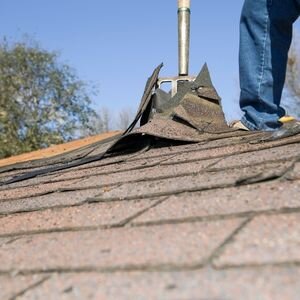
A seller named Maria replaced her roof before listing to stop buyers from knocking down her price. Her instinct was sound, even if the math looks rough.
The 2025 Cost vs. Value Report from the Journal of Light Construction puts a national asphalt shingle roof replacement at $31,871, with $21,501 coming back in resale value. That’s 67.5 percent recouped. A metal roof does worse, returning 50.1 percent on a $51,865 job.
Read that carefully. Losing a third of your outlay doesn’t make a new roof a bad investment. Buyers just won’t pay a premium for a roof, because they see a working one as the baseline for the price they already agreed to. They punish you for not having one.
So the better question is how much a bad roof will subtract. An appraiser won’t bump your value for new architectural shingles. A buyer’s agent will absolutely build a repair credit request around an old one, and that request tends to run higher than the actual bid. Fear inflates faster than lumber prices.
Where a new roof earns its keep is the negotiation. Picture two similar listings on the same street. One roof has maybe four years left, and the other was redone last fall. The second seller gets to say no. When the inspection turns up a running toilet and a loose deck board, the conversation stays there, and I’ve seen sales close on a list that short. The first seller is defending a number, and one problem buyers can price becomes permission to price everything.
If you do replace, make the paperwork work for you. Ask the contractor whether the manufacturer’s material warranty and the workmanship warranty transfer to a new owner, and what that transfer requires. Get it in writing and get the permit closed out. Then give your agent the shingle brand, line, color, and install date for the listing remarks. “New roof” in a listing description is wallpaper. “Architectural shingles installed last spring, permit closed, transferable warranty, documentation at the house” answers the only roof question buyers were going to ask.
How Do You Decide Between Roof Repair and Replacement Before Selling?
Your first call shouldn’t go to the company with the billboard and the commissioned salesperson. Get three bids, and ask each roofer the same question: what’s the smallest fix that makes this roof watertight for five years?
Then compare the bids on more than the bottom line. Ask whether the price includes a full tear-off or a layover. Find out how much decking replacement is built in and what each extra sheet costs. Ask how long the crew expects to be on site, and whether the bid covers new flashing and pipe boots or reuses what’s there. Roofs fail at the penetrations far more often than in the open field, so a bid that reuses old flashing isn’t the same product, and an inspector will notice. Confirm the contractor is licensed and insured in your state, and ask for the certificate.
My rule of thumb after hundreds of houses is plain. Repair when the roof is solid and under about fifteen years old. Replace when there’s active water intrusion or a second layer of shingles. Sell as-is when the budget for either one isn’t there.
Partial replacement sits in the middle, and it works in a few cases. One slope took wind damage and the rest is fine. The detached garage is shot and the house isn’t. A rear elevation nobody photographs needs work. In those cases, replacing a section buys you a clean inspection item for a fraction of the full cost.
A visible patch can backfire fast, especially on the front elevation. New shingles never match weathered ones, even in the same color, because the old ones have been fading for a decade. A bright rectangle on the front tells every buyer something happened there, and now they want to know what. Two clearly different roof ages on one property also invite the buyer to assume the older half is next.
Selling as-is gets dismissed too quickly. There’s no shame in it. Cash buyers and investors price a bad roof into the offer and handle the work themselves, which beats financing a replacement you can’t easily afford. If that’s where you’re leaning, read our breakdown on selling a house as is without an inspection.
If a storm caused the damage, call your insurance carrier before you call a contractor. Ask how your policy treats roof claims and what your deductible would be. Be wary of any company that knocks on your door after a hailstorm promising to handle the claim and waive your deductible.
Ask yourself a blunt question before you sign with any roofer. If the job runs three weeks long and the market softens while you wait, can you still carry the payment? Crews hit weather delays constantly while the listing waits, and permits can add days before work starts. An open permit at closing is its own headache, so build slack into whatever timeline the salesperson gives you.
Money spent on a roof is money you don’t have for the move. Count that cost too.
What Are You Legally Required to Disclose About Your Roof?
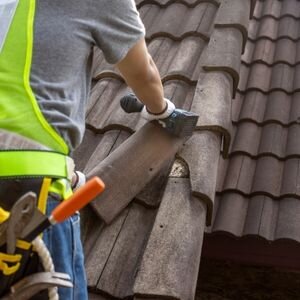
A repair you already paid for still goes on the form in many states, even if the leak never came back. That surprises sellers who assumed fixing something erased it.
Roof condition sits near the top of the standard disclosure checklist in most states, alongside water intrusion, foundation issues, and pest damage. Sellers generally must disclose known material defects. A handful of caveat emptor states relax the paperwork, yet no state lets you actively conceal a problem or lie about one. FindLaw’s overview of post-sale defect claims explains how buyers pursue remedies when a seller hid something.
Federal law adds one more layer. Homes built before 1978 come with a lead-based paint disclosure requirement, separate from anything your state asks about the roof.
For now, write down what you know: the date of the last repair, who did it, what they fixed, and whether it leaked again. Attach the invoice. A documented repair history reassures buyers, and silence is what gets sellers sued.
The standard is what you know. If you inherited the house or owned it as a rental and really don’t know its history, say that plainly. If a neighbor mentioned a tarp on the roof before you bought it, or a handyman told you the flashing was failing, that’s knowledge, and it belongs on the form.
Painting over a ceiling stain without fixing the cause is how a small repair turns into a lawsuit. If you’ve repainted a stained ceiling, disclose the stain and the repair behind it.
Tell your listing agent about the roof’s history well before closing. An agent who knows what’s coming can position the house and set your price expectations, while one who finds out at inspection is managing a crisis.
Selling as-is doesn’t replace disclosure. As-is tells buyers you won’t make repairs. It doesn’t excuse you from telling them what you know.
Don’t guess at roof age on the disclosure form, either. “Unknown” is a fair answer and safer than a number you half-remember. Forms differ from state to state, so ask your closing agent which version applies before closing day.
Who Are the Roofing and Real Estate Experts Behind This Guide?
A seller called us about a split-level with a tarp on the back slope and a listing that had gone stale after two price cuts. Not long after, she closed, left the tarp, and drove to her new place in another state.
That’s where this guide comes from. Our team buys houses in every condition, so we’ve had roofers up on hundreds of properties, read stacks of home inspection reports, and sat through more repair-credit negotiations than most agents see. We’ve replaced roofs that didn’t need it and patched a few that did.
We also lean on licensed roofing contractors, inspectors, and listing agents who watch buyers react when a roof comes up mid-negotiation. Cost figures here are national averages, so your market may run higher or lower. In the Midwest, you can sell your house for cash in Illinois to our team and leave the roof work to us.
Our work isn’t limited to one state. Out west, we buy houses in Colorado, and up north our team works as cash home buyers in Minnesota, so the roofs we see run from hail damage to ice dams. In the Pacific Northwest, we buy houses in Seattle and work as cash home buyers in Tacoma, where moss on the shingles is a common complaint. Wherever your house sits, Sell My House Fast For Cash can help you weigh a roof repair against a straight sale.
Nothing here is legal or tax advice. For disclosure questions about your property, talk to a real estate attorney licensed in your state.
Frequently Asked Questions
Can I sell a house with a leaking roof?
Yes. Leaks don’t block a sale. They narrow your buyer pool toward cash buyers and investors, because many lenders won’t fund a loan with active water intrusion. Price it to match and disclose what you know before closing.
Will an FHA or VA loan approve a house with an old roof?
Age alone isn’t disqualifying, though condition can be. FHA guidelines call for at least two years of remaining roof life and no active leaks. VA appraisers don’t use a set age, and they judge whether the roof keeps moisture out and has reasonable life left. Missing shingles, exposed decking, or water stains inside usually trigger a repair requirement before closing.
Is it better to replace the roof or offer a credit?
A credit usually keeps more money in your pocket. Replacement costs you the full job plus weeks of delay, and you rarely recover the whole amount in sale price. A credit lets the buyer choose their own contractor and shingle color, which many prefer anyway.
How much does a bad roof lower a home’s value?
Buyers tend to discount more than the repair costs. They price in the contractor’s bid plus a margin for hassle and unknowns, so the price cut on the open market often runs past the actual bill. A written estimate from a roofer is your best tool for keeping that gap small.
Do I have to disclose a roof repair from years ago?
In most states, yes, if you knew about it. Past repairs are part of the property’s known history. Attach the invoice and note whether the problem returned, since paper protects you better than leaving it off.
How fast can I sell a house with roof damage?
A cash sale can close in a matter of weeks because there’s no lender appraisal or loan condition to satisfy. A traditional listing with a damaged roof often sits longer than comparable homes, then stalls again at inspection.
If you’d rather skip the bids and the back-and-forth over who pays for what, we’re happy to look at your house as it stands. We’ll make a cash offer with no obligation attached. Keep it, compare it to a contractor’s bid, or set it aside. Either way you’ll know where you stand before you spend a dollar on that roof. Whenever you’re ready, contact us and tell us about the house.
Helpful Blog Articles
