

Understanding who pays closing costs can have a big financial impact when selling a home in Washington. “Who pays what” can feel confusing, as there are financial responsibilities on both the buyer’s and seller’s sides in the Washington closing costs breakdown. The costs can be attributed to appraisal, inspection, title insurance, and other fees. Sellers also have to understand the potential costs on their side, including those they are responsible for paying, and that these can be negotiated. The purpose of this article is to simplify the closing costs in Washington for the sake of both the buyer and seller in order to make their transactions uncomplicated and to be purposeful in their financial responsibilities.
Key Highlights
- Closing costs in Washington include appraisal, inspection, and title insurance fees, affecting financial commitments in home transactions.
- Sellers often cover real estate transfer taxes and title insurance premiums, and pay commissions, which significantly impact their closing costs.
- The estate excise tax, typically 1.28% of the sale price, requires careful planning to avoid financial strain and ensure compliance.
- Strategic negotiation, pre-sale cost analysis, and timing optimization help sellers reduce costs in Washington’s competitive real estate market.
- Understanding market trends and regulations aids strategic decision-making and negotiation for profitable real estate transactions.
Understanding Closing Costs in Washington
There can be a lot of detail involved in explaining Washington closing costs, and buyers and sellers alike can get confused. Closing costs can include payments for items such as an appraisal, title insurance, a government recording fee, and property taxes. When budgeting, it can be important for a buyer to identify which costs will be involved, and for a seller, to identify which costs will be the buyer’s responsibility, such as transfer taxes and escrow fees. Educating yourself about the costs you will incur will help eliminate the risk of financial surprises at closing.
Many buyers and sellers in Washington can benefit from knowledge of fee allocation and the potential to negotiate cost assignments. It is traditional for some fees to be paid by one party or the other, and in some cases, by both. Once the parties involved in a real estate transactions have a good understanding of real estate practices, the closing process can be much faster and more organized. Closing costs can be minimized to streamline the real estate process and reduce stress. In real estate, it can be a much more efficient process once these criteria are met.
Looking to sell quickly and avoid the hassle of traditional closings? Contact us for a cash offer and simplify your Washington home sale today!
What Are Closing Costs?
Most of the time, homebuyers and sellers have various fees and expenses to pay at closing. To legally and financially prepare a property for sale, services are required, and these costs are covered. They reflect the costs involved in preparing the home for sale, such as loan origination fees, appraisal, title, and insurance. They also include what the buyer pays in points to purchase, to lower the interest rate, and pay taxes and insurance prior to closing. All closing costs are included in the final transaction price and are needed to determine it.
In Washington, closing costs are expected to range from 2% to 5% of the home’s purchase price, and that figure is subject to change. For instance, it is important to consider appraisal fees in Washington. This is the way to determine whether the home’s value matches the loan amount, and, for title insurance, it is important to consider that title insurance fees protect buyers and lenders from losing money due to title defects, which is fundamental to the transfer of ownership.
Learning about these aspects helps buyers predict how much cash they will need at settlement, which can ease buyer worries about surprise costs. In addition, buyers can negotiate closing costs with lenders by comparing lenders and their fees. Sellers can also offer to pay some of the closing costs to incentivize buyers to make offers, which is a good idea when the housing market is highly competitive. Whether you are a buyer looking to reduce costs or a seller seeking to improve transactions, understanding closing costs is crucial.
Who Typically Pays Closing Costs?
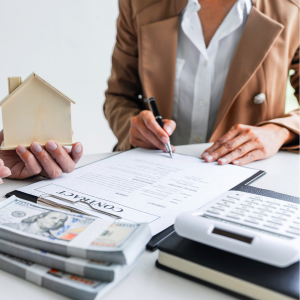
In Washington, closing costs are generally split between the buyer and the seller, reflecting a shared-cost model that facilitates balanced negotiations. Typically, buyers shoulder the majority of these costs, yet sellers often cover specific expenses. These may include real estate transfer taxes, title insurance premiums, and any outstanding liens or property taxes at the time of sale. This dynamic is equally relevant for investor home buyers in Washington, who often factor closing costs into their overall investment calculations.
The buyers also cover lender fees, mortgage costs, appraisal costs, and title search costs. They can also negotiate and move costs around to different parties. For example, if it is a seller’s market, buyers may offer to cover more closing costs, even though they wouldn’t typically do so, to entice the seller to consider their offer more seriously. On the other hand, if it is a buyer’s market, a seller will cover some of the buyer’s costs to reduce the costs of purchasing the house and get the buyer to buy it more quickly.
This seller/buyer cost coverage dynamic can work to everyone’s advantage. For example, sellers can make their property more attractive by paying some closing costs. On the other hand, buyers must know that their offer may not be competitive if they ask the sellers to pay closing costs. Making clear moves to give and receive during negotiations can be beneficial for all parties, especially given the costs associated with closing the sales. Buyers and sellers both need to know and be ready to negotiate to make the transactions work.
Seller Responsibilities in Washington’s Housing Market
In Washington state, sellers’ responsibilities in the housing market differ from the rest of the country due to the state’s real estate processes. Sellers don’t just list a property; they also have to ensure it’s ready to go. This may mean they have to undertake renovations, staging, inspections, and other measures to attract buyers and fulfill legal obligations. In addition, sellers are responsible for paying estate excise tax and other closing costs. Understanding these responsibilities over time can help to make the transaction much smoother for everyone involved.
Knowing these responsibilities can help in negotiations. Sellers who understand their responsibilities may feel more confident when talking to buyers and agents. This also allows those sellers to set more competitive prices, address buyers’ potential concerns, and take a position of making the best decision about costs that he/she would be willing to pay versus costs that could be negotiated. This is why Washington sellers focus on these elements: they simplify the home-selling process and improve the end result.
Common Seller Obligations
Sellers in Washington state face several responsibilities crucial to a successful property sale. A primary task is preparing the home for listing, which includes completing necessary repairs and maintenance to boost curb appeal and market value. Many sellers hire professionals for pre-listing inspections to identify issues early, helping avoid delays during buyer inspections and negotiations.
The sellers also pay real estate commissions, which tend to fall between 5% to 6% of the selling price. This fee is divided between the listing and selling agents. Planning each payment helps prevent transaction issues. Negotiating the commission structure and explaining it to agents can increase sellers’ control over costs.
Considering the title costs are also critical. If the sellers have any liens on the title, they will have to pay them off to sell the title to the buyer. It is better to be legal to facilitate the sale than to pay for legal complications later. The sellers must pay the unpaid property taxes, as well as any prorated taxes to the sale date. These costs might not be included in the actual closing costs, so be sure to estimate them.
Finally, due to rapid changes in Washington’s housing market, sellers must remain vigilant about the latest laws and market conditions. By stepping out to allied professionals, sellers can better tailor their strategies to streamline their home-selling process and achieve both their financial and strategic objectives.
The Role of Estate Excise Tax
Estate Excise Tax is one of the major costs involved in selling a home in Washington and directly impacts the net proceeds a seller receives. Washington calculates estate Excise Tax based on a home’s final sale price and begins at about 1.28% of the sale price. This rate may vary depending on the property’s location. Tax obligations may differ by jurisdiction as well. Since sellers must report and pay the excise tax, they must estimate this tax and plan for it before closing. Proper estimating can create a tax-free closing and less expectation at closing.
The estate excise tax helps fund new public resources, such as services and roads, which is a huge positive for the community, but the tax is often one of the highest costs at closing. If closing costs are not accounted for in the budget, the seller may face tax liens and penalties for unpaid tax obligations. Understanding the impact of the estate excise tax will help the seller avoid prolonging the sale of the home and avoid closing costs that were not accounted for.
By factoring estate excise tax into their overall strategy, sellers can price their property more accurately and negotiate with greater confidence. Consulting with financial or tax professionals can further ensure accurate calculations and compliance. This preparation can also provide leverage in negotiations with buyers who may question the cost breakdown. With proper planning and transparency, sellers can navigate this obligation smoothly and support a more efficient closing experience.
Sell My House Fast For Cash provides an offer that simplifies your Washington home sale by covering complexities like the estate excise tax, helping you avoid unexpected costs, and ensuring a faster, smoother closing.
Noteworthy Laws and Regulations
Understanding Washington state real estate laws, especially those concerning buying and selling real estate, the estate excise tax, and how they protect participants on all sides of transactions, is of utmost importance if one is to master the complexities of Washington’s real estate market. A case in point is the estate excise tax, which is based on the property’s selling price. Washington real estate sellers must factor the estate excise tax into their calculations to determine compliance areas and associated tax burdens.
Besides excise taxes, Washington property law stipulates specific laws governing the transfer of property and its associated titles to protect buyers and lenders from defects in those titles. Title insurance is a real concern for buyers because, while it is an expense, it offers buyers protection from potential litigation over the property in question. It is also important to note that some of the costs associated with a title may be shared by the parties. Because of the complexity of these issues, it is advisable to work with title professionals.
Moreover, Washington determines how closing costs are handled, and these costs can fluctuate significantly. Under Washington’s shared-cost framework, discussions typically focus on how costs are divided. In a competitive market, sellers may choose to pay some closing costs to negotiate better, or buyers may prefer to take on certain closing costs to make their offer more competitive.
In addition to cost factors, sellers must comply with disclosure laws that require them to disclose known issues that could affect value. Being open about issues helps build trust and avoid lawsuits after a sale. Understanding real estate laws benefits both buyers and sellers by facilitating smooth, legally compliant transactions.
Strategies for Reducing Seller Costs
To save the most money while selling a home, expenses must be minimized. To the average seller, restrictions may be apparent when evaluating finances, including closing costs, agent commissions, repair credits, etc. However, the seller must create a plan from the beginning by reviewing settlement statements to find editable expenses, value-added repairs, and estimated costs. Planning ahead enables the seller to avoid unwanted outcomes and keep a sizable portion of their net profit.
Sellers must possess the same negotiating skills when speaking with buyers and additional participants in the transaction. An informed seller can negotiate with confidence, knowing fewer concessions are needed to attract buyers in structured sales. Even the most minor points in a sale can be greatly improved with an informed seller. The combination of negotiating and financial skills provides sellers in Washington with a simplified approach to achieving the desired sales and profit.
| Strategy | Key Actions | Expected Benefit |
|---|---|---|
| Pricing Strategy | Conduct market analysis; Set competitive price | Attract more buyers; Reduce time on market |
| Pre-Sale Inspection | Identify necessary repairs; Prioritize essential improvements | Avoid last-minute repair costs; Strengthen buyer trust |
| Staging and Presentation | Enhance curb appeal; Optimize interior layout | Increase perceived value; Shorten selling time |
| Marketing Plan | Utilize online listings; Leverage social media | Widen buyer reach; Achieve optimal exposure |
| Negotiation Skills | Prepare strong negotiating points; Focus on mutual gains | Secure favorable terms; Maximize sale price |
This table encapsulates how strategic cost management and effective negotiation can enhance sale profitability while minimizing financial burdens in the Washington home market.
Tips to Minimize Financial Impact
Minimizing closing costs is a priority for sellers aiming to maximize their net proceeds from a sale. One effective method is to conduct a thorough pre-sale cost analysis. This involves evaluating all potential expenses, such as title insurance, mortgage payoff amounts, and any existing liens on the property. By identifying these costs early, sellers can better prepare and negotiate with potential buyers. Additionally, managing home maintenance and repair costs before listing can prevent unexpected expenses that might arise during buyer inspections. Working with a cash-for-houses company in Everett and other cities in Washington can also help streamline the sale and reduce many traditional closing costs.
Another tactic is to time the sale of the investment wisely. Real estate sellers need to closely study the Washington real estate market to choose the best possible time to list their properties. Selling during a seller’s market (where demand exceeds supply) gives sellers a great opportunity to secure a higher sales price and more negotiating power on closing costs. Sellers also need to keep an eye on buyer interest, as buyers tend to make higher offers during periods of lower fixed mortgage rates.
Financial options for the seller need to be evaluated, and this is best done by a financial advisor. There may be tax benefits available for the seller due to home improvements and/or mortgage interest. Sellers can optimize profits and reduce closing costs by combining all the aforementioned strategies to minimize financial impact and align their sales strategies with the market.
To further limit financial strain while selling your property, consider the following practical strategies:
- Shop around for competitive mortgage payoff quotes to ensure a fair and accurate final payment.
- Implement cost-effective home improvements to boost appeal without inflating expenditure.
- Negotiate closing costs and fees with service providers to maximize your proceeds.
- Explore online platforms for DIY property listings to reduce marketing expenses.
- Review all legal documents thoroughly to avoid unexpected penalties or charges at closing.
- Price your home competitively after a comprehensive market analysis of recent sales.
With these strategies, you can efficiently balance costs and profits during your property’s sale.
Negotiating with Potential Buyers
How sellers negotiate with prospective buyers determines how much they spend on closing costs, which directly affects how much they lose when selling a house. While sellers have the right to decide on closing costs, presenting the cost to buyers as a negotiation option won’t make them lose the sale. It is best for sellers to be aware of the closing costs, the buyer’s costs, and the mortgage rate. Knowing whether buyers may have to pay mortgage insurance can help sellers decide how to make the closing costs a negotiation option. Washington sellers have to pay title insurance, but they may pay less by adjusting their contributions to repair credits and/or closing costs.
Knowing the home’s true condition and how it has changed over time can impact how sellers and buyers negotiate and how the price affects the sale. Sellers negotiate less when a home has true, beneficial, and recent improvements. When a home has fewer beneficial improvements, a seller’s failure to negotiate closing costs limits the negotiation range. When sellers need adjustments to the home to impose a closing cost, buyers have less reason to negotiate.
Some sellers aim to simplify negotiations by offering a home warranty and alleviating buyer concerns about unanticipated post-purchase problems. Such an offering may even compensate for buyer requests to cover other closing costs. By being communicative and offering more flexibility when negotiating, sellers negotiate better and more holistically in Washington. Not only does this mentality lower the bottom line during negotiations, but it also increases the likelihood of reaching a win-win outcome.
Understanding your responsibilities for closing costs as a seller in Washington can streamline your sales process, help you budget effectively, and potentially save you money. By familiarizing yourself with standard fees and considering negotiations, you can approach the end of your transaction with confidence and clarity. If you have any questions or need further assistance, consider reaching out to a knowledgeable professional. They can provide personalized insights and support tailored to your unique situation, ensuring a smoother and more informed selling experience.
FAQs:
What are closing costs in Washington, and who typically pays them?
Closing costs in Washington are fees incurred by buyers and sellers to finalize a real estate transaction. They include appraisals, inspections, title insurance, and more. Typically, buyers pay for lender-related costs, while sellers cover expenses like real estate transfer taxes and prorated property taxes.
How can sellers minimize their closing costs in Washington?
Sellers can minimize closing costs by conducting pre-sale cost analyses, negotiating strategic concessions, and leveraging favorable market conditions. Addressing home repairs before listing and timing the sale advantageously can also help in reducing these costs.
What is the estate excise tax, and how does it impact sellers in Washington?
The estate excise tax in Washington is a tax levied on the property sale price, typically around 1.28%. Sellers must calculate and pay this tax to comply with regulations. It is a significant part of their closing costs, requiring careful financial planning.
Are there strategies sellers can use to optimize their closing costs in a competitive market?
Sellers can optimize closing costs by negotiating buyer contributions, offering to cover some closing costs as an incentive, and strategically timing the sale during peak market periods to attract favorable offers and potentially multiple offers.
What insights should sellers have about market trends to make strategic decisions?
Sellers should be aware of housing demand, price trends, and regulatory changes. Understanding these factors helps set competitive prices, appeal to serious buyers, and navigate transaction dynamics more effectively, leading to better financial results.
Do you need to sell your house? Sell it quickly, avoid costly repairs, or prefer a hassle-free sale. Sell My House Fast For Cash is here to help. We offer fair cash offers, handle all the details, and make the process seamless. Ready to sell or have questions? Call us at (866) 824-3222 for a no-obligation offer. Get started today!
Helpful Washington Blog Articles
- Refinance A House After Divorce in Washington
- How to Sell a Condemned House in Washington
- Can the Seller Back Out of a Contract?
- Selling a House with Termite Damage in Washington
- Sell a House with a Code Violation in Washington
- Understanding FSBO Costs in Washington
- How to Sell a Hoarder House in Washington
- How Long After an Appraisal Can You Close in Washington?
- Can You Sell a House With a Mortgage in Washington?
- Is the Seller Responsible for Any Repairs After Closing in Washington?
- Does a Seller Pay Closing Costs in Washington?