

It can be difficult to make a short sale on your home and buy another one at the same time, but there are ways to make the process easier. This guide will explain the possible options for doing one to two transactions simultaneously. Sellers will be equipped with tips and guidance on how to make transitions more seamless. This guide will center around selling and buying homes simultaneously to eliminate as many obstacles as possible. Upward and downward buyers will obtain the information they need to feel more at ease and confident in their transactions. This is the Sell My House Fast For Cash team guide.
Brief Overview
While buying another house and short-selling your current house have many challenges, it is possible through strong critical thinking and strategic planning. This useful guide explains how to finesse both transactions while optimizing how much you need to manage with your finances and market conditions. A short sale has risks and opportunities that can help you avoid the foreclosure option and help you target your future home purchases. Also, bridge loans and rent-back agreements can help you navigate the moving parts of your transactions and avoid getting stuck. Combine solid financial planning with market assessment to ensure that your multiple transactions go smoothly and you end up where you need to go next. We Buy Houses in Washington and nearby cities can help you if you need quicker options.
Key Highlights
- Short sales are strategic for homeowners facing financial difficulties, offering both benefits and risks.
- Buying before selling provides stability but requires managing two mortgages; selling first avoids this but may cause temporary displacement.
- Simultaneous transactions streamline processes but require precise timing and managing dual financial commitments.
- Bridge loans provide liquidity for purchasing a new home before selling the current one, despite higher costs.
- Rent-back agreements offer flexible transition periods but require clear legal terms to avoid disputes.
Understanding Short Sales in Today’s Market
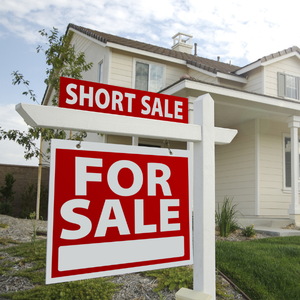
In our current market, short sales have emerged as a tactic for some homeowners trying to alleviate their financial woes. One of the unique features of short sales is that lenders have to be negotiated with to sell the existing home for less than the current mortgage balance, which has its own set of variables and potential problems. For home sellers, being educated on what a short sale is and how it functions is essential. For that reason, being able to analyze the advantages and disadvantages of short-selling your home will help determine with greater certainty if this option meets your financial goals.
What is a Short Sale and How Does It Work?
A short sale is selling a house for a price lower than the mortgage amount, and the house price drops. To make this possible, the mortgage lender has to agree to incur a loss. This is because the home may be valued significantly less than the mortgage. To negotiate with lenders, the owner has to express that they are financially distressed. This whole process is primarily to avoid foreclosure and lessen the damage the owner has.
This process is long and arduous because there is no guarantee that lenders will agree to the short sale. Although the burden will ease and the owner will get a fresh start, there will still be a negative impact on the credit. Because this process is so complicated, there is a need for financial and legal advice. Short sale success gives the owner a chance to rebuild, all the challenges be damned.
| Aspect | Description | Benefits | Challenges | Key Considerations |
|---|---|---|---|---|
| Definition | A short sale occurs when a property is sold for less than the amount owed on the mortgage. | May prevent foreclosure and reduce credit damage compared to foreclosure. | Approval can be a lengthy process with many parties involved. | Ensure thorough documentation and lender approval. |
| Process Involvement | Involves negotiation between homeowner, lender, and potential buyer. | Possibility to refinance existing debt. | Complex negotiations with varying stakeholder interests. | Understand lender requirements and borrower eligibility. |
| Market Implications | Can impact neighborhood property values if multiple short sales occur. | Potential for selling a home that might otherwise sit unsold. | Can lower market value assessments locally. | Analyze market trends and timing carefully. |
This table summarizes the complexities and considerations of short sales for housing market financial management.
Benefits and Risks of Short Selling Your Home
A key benefit of short-selling your home, particularly in order to avoid a foreclosure, is that it can allow you to deal with your mortgage with less long-term financial damage. It can also allow you to sell your home more quickly in some cases. It may also lessen the overall financial pain of this situation, as your lender may forgive some or most of the remaining balance. This will reduce your debt relief and allow you to financially recover from distress and plan for a future purchase of a home.
That said, there is a financial pain in this situation, as short sales can take a long time, especially when waiting for approval from your lender. This situation can lead to a foreclosure, which can damage your credit and affect your ability to finance other things. There may also be additional financial pain. If the lender forgives part of your debt, this may be considered taxable, and you will have to pay the taxes. Before you decide to start this process, you should get advice from a professional.
Navigating the Dual Process: Buying and Selling

Purchasing a new home and selling your current home is no small feat. It requires considerable planning and effort. One of the biggest challenges is whether to buy a new home before selling your old one or to sell your old home first. Either option can have a financial and emotional toll. Nothing is worse than having a new house and no buyers for your old one, or having a buyer for your old house and no new house. If you are looking for resources to help with the home-buying and selling process, you could contact cash home buyers in Seattle, Washington, and neighboring areas.
Should You Buy Before Selling or Sell Before Buying?
Whether you should buy before selling or sell before buying depends largely on your individual circumstances, such as your finances, goals, and the current market. If you buy before selling first, you lose a little more money, but you are guaranteed to have a new place and have a little more flexibility in a competitive market. The financial burden, however, increases because you may have to take on two mortgages or a bridge loan just to buy before selling first. This option is best for people who are more financially stable and have easy access to funds.
On the flip side, selling first may be a little more financially risky. However, after selling, your budget is clearer for the new purchase, and you can avoid the hassle of having two overlapping mortgage payments. In addition, it may improve your position when it comes to buying. The biggest disadvantage is that you will have to find a new place quickly, or temporary housing will be necessary. In the end, the biggest influencing factors are finances, preparedness, and the situation at hand. This is where planning and obtaining advice from a professional in the field come into play.
Pros and Cons of Simultaneous Home Transactions
You can make the home buying and selling processes easier and quicker by doing both simultaneously. It allows for less interruption as you do both processes and avoids the hassle of temporary housing. Budgeting for the move is simpler as well. It can also work to your advantage with home pricing and negotiations. A good selling price can be secured, and a good buying price can be negotiated. Closing costs can be lower, and better time management can be accomplished as well.
On the downside, closing becomes difficult. Poor timing can be an important factor, as is the case with selling your home. Financing for these transactions is also more complex. Elongated home-selling processes can affect home buying. Both transactions are stressful and risky. One of the transactions falling through is a significant contributor. With proper planning and business, this process can very well function and be less stressful.
To manage simultaneous home transactions, consider these strategies:
- Keep a flexible timeline for transaction delays or changes.
- A financial plan should cover both transactions to avoid liquidity issues.
- Improve your credit score to increase lender confidence and financing options.
- Follow market trends to capitalize on favorable conditions.
- In case of transaction scheduling conflicts, arrange temporary housing.
- Smooth transitions require extensive coordination with all parties.
- To maintain financial flexibility, consider bridge loans.
Strategic planning and thinking can make simultaneous transactions efficient and successful.
Financing Options for Simultaneous Transactions

An equally important step in the planning process for buying and selling a home is financing. In a situation as complex as buying and selling a home simultaneously, the need for planning is important so the transition is smooth without excess financial burden. With the right financial planning and tools such as a bridge loan or a rent-back, the transition can be handled without a financial burden, providing the needed continuity of residence during the transition and providing maximum engagement in the market.
How a Bridge Loan Can Assist in Buying a New Home
Rent-back contracts are great because they let you sell a home and buy another without having to move all of your things a second time. Sell your home, and remain in it for a designated time by paying rent to the new owner. This solves any timing problems. It helps avoid hasty moves and solves the problem of having to live in a temporary place. This helps make the sale and purchase of a home better without causing people to lose their minds.
Who pays how much in rent and for how long, plus the responsibilities of the upkeep, should be clear from the start. The buyer getting paid rent, plus the seller getting more time, benefits both parties. Agreements should be very clear to avoid disputes, and contracts should guard against people living in the place longer than they’re supposed to. Living arrangements should be orderly, so knowing your area regulations and getting some guidance from a real estate expert is advised.
Leveraging Rent Back Agreements in Home Sales
Simply put, a rent-back agreement will give you some flexibility if you are selling your home and buying another at the same time. This type of agreement will let you remain at the property after the sale is finalized. You will pay the new owner rent for the time you remain at the property. This type of agreement allows you to avoid a short-term move to a temporary housing situation. This type of arrangement will reduce stress and allow for an easier sale and purchase of a home.
Some of the terms that will need to be negotiated are the rental fee, time frame, security deposit, and who will be responsible for maintenance. Buyers get the benefits of rental income and more time to finalize buying the home, while sellers get to move at their own pace. A good contract is needed to outline the terms, so there are no disagreements or issues with staying an extra day. It is good practice to get professional help regarding rental and housing laws to make sure the agreement is legal and not overly complicated.
Short-selling your home while buying another is difficult, but not impossible. You can make informed housing choices with careful preparation, financial planning, and market knowledge. Remember that experienced financial advisors or consultants can offer customized advice. Staying proactive and focused on both long-term goals makes moving across homes easier, turning a daunting process into a fresh start. Explore other resources or consult professionals to better manage these simultaneous transactions. Please contact us for customized support.
Thinking about whether you can short-sell your house and buy another? If you need to sell quickly, avoid costly repairs, or prefer a hassle-free process, Sell My House Fast For Cash is here to help. We provide fair cash offers, manage every step of the transaction, and make your transition smooth. Ready to move forward or have questions? Call us at (866) 824-3222 for a no-obligation offer. Get started today!
FAQs
What is a short sale in real estate?
Many homeowners avoid foreclosure by selling their home for less than the mortgage balance in a short sale. This requires lender approval and negotiation to accept the proceeds as full settlement.
What are the risks and benefits of a short sale?
This may help avoid foreclosure and negotiate debt forgiveness. Loan forgiveness may result in tax liabilities, lengthy approval processes, and credit score issues.
Should I buy a new home before selling my current one?
While buying first provides housing security, it requires managing two mortgages. To ease this transition, financial planning and bridge loans may be needed.
How does a bridge loan help real estate transactions?
A bridge loan provides short-term financing for buying a new home before selling the old one. It leverages home equity and manages timing issues but has higher interest rates.
What are rent-back agreements in real estate?
Sellers can live in their home after selling and pay rent to the new owner under a rent-back agreement. This is flexible but requires clear legal terms to avoid disputes.
Helpful Blog Articles
- What Does Cash to Close Mean?
- Can a Seller Refuse Repairs After Inspection?
- What to Know About Selling Your House Before Filing for Divorce
- Should I Renovate My House or Sell As-Is?
- Can I Sell My House for Less Than Appraised Value?
- Tax Implications of Selling a Home
- Can an Administrator of an Estate Sell Property?
- Can I Sell My House at a Foreclosure Auction?
- Can You Live in A House During Probate
- Can You Sell Your House To The Bank
- How To Sell A House on Craigslist
- Selling a House with a Pending Lawsuit
- Can I Short Sell My House and Buy Another?
