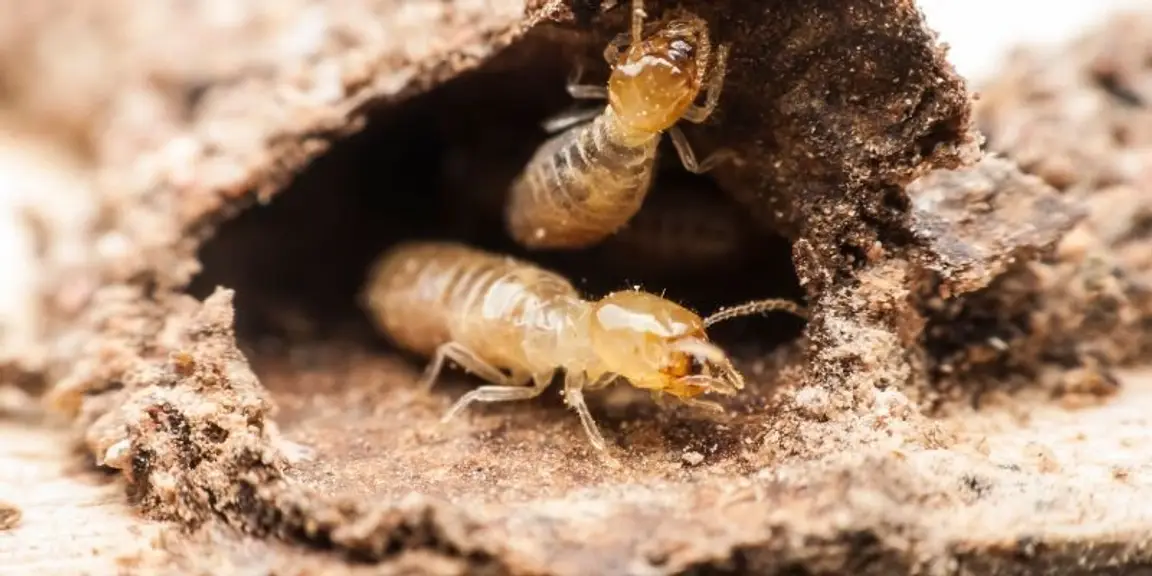


Most sellers in Tacoma or Bothell hear “termites” and immediately think a collapsed sale, an angry buyer, and a lawsuit. Almost always, those assumptions are wrong.
Selling a house with termites in Washington is legal, done regularly, and far more manageable than most homeowners assume. Your situation demands honesty, some strategic thinking, and a realistic assessment of your options. You don’t have to fix everything before listing, and it doesn’t mean your property is worthless.
Selling a House with Termites: What You Really Need to Know
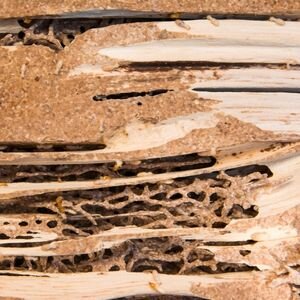
Termite issues in the Pacific Northwest are more common than most homeowners want to admit. Damp soil conditions around areas like Puyallup, Federal Way, and Everett create a near-perfect environment for subterranean termites, which tunnel up through the ground and chew into wood framing from the crawl space upward. Wood-framed homes in older Tacoma neighborhoods and in forested suburbs around Gig Harbor and Black Diamond regularly see these pests.
Recently, the Caldwell family came to mind. Back in March, they were splitting assets in a divorce and needed to sell their Lakewood home fast. A pest inspector had flagged active termite activity in the garage floor joists the previous fall, and the couple had done nothing with the report since life got complicated. On a Tuesday, we walked through the property together, pulled that inspection report, and talked through exactly what their options were. Two weeks later, they’d closed and moved on. The situation felt impossible to them; it wasn’t.
Panicking sellers who try to hide termite history almost always make things worse. Buyers discover it during their inspection, lenders flag the WDI (wood-destroying insect) report, and suddenly, you’ve got a broken contract and a potential fraud claim trailing you. The smarter path, every time, is to know your actual options from the start. Sell My House Fast For Cash can help you understand those options so you can choose the selling approach that best fits your situation.
Termite damage in the U.S. runs up about $5 billion in costs each year across the country, according to national pest industry data. The figure sounds enormous, and it is. Still, it also means the market has developed systems to handle it: pest inspectors, treatment warranties, buyer concessions, and cash investors who buy as-is. Washington sellers can plug into any of those systems.
What Washington Law Says About Disclosing Termites When Selling
Some sellers ask whether they’re really required to disclose termites if the problem was treated years ago and there’s no visible damage today. Under Washington law, the answer is yes.
Washington’s seller disclosure requirements are outlined in RCW Chapter 64.06, Real Property Transfers, Sellers’ Disclosures. Sellers complete what’s commonly called Form 17, a standardized document that requires disclosure of all known material facts about the property. Pest infestations, past or present, fall squarely into that category. Washington law specifically requires disclosure of both current and past issues if they could affect the property’s value or safety, even if the problem has been fully treated and repaired.
Withholding that information is not a gray area. If a buyer discovers after closing that you knew about a termite history and said nothing, they have real legal remedies: rescission of the contract, fraud claims, and damages. Disclosure failures are consistently cited as a leading cause of real estate lawsuits nationwide, so that risk isn’t theoretical.
The law does have nuance. You’re disclosing what you know, not guaranteeing a perfect inspection. If you bought the house without knowing about a prior infestation, you’re not required to invent history you don’t have. But if you have a pest inspection report sitting in a drawer, you’ve had treatment, or your crawl space showed damage when you bought the place, those facts belong on Form 17.
Working with a real estate attorney or a knowledgeable estate agent, if you’re unsure what to include, is genuinely worth the cost. Legal counsel on disclosure questions is much less expensive than defending a lawsuit, so an hour-long consultation is well worth the cost. Attorneys who specialize in Washington real estate transactions can review your specific situation in an hour or two and tell you exactly where you stand.
How Termite Damage Affects Your Ability to Sell a House in Washington
For a long time, I assumed termite damage was a binary thing: either it’s minor, and you move on, or it’s serious, and the sale falls apart. This framing misses the real variable: how the damage interacts with your buyer’s financing.
Cash buyers and fix-and-flip investors don’t care much about active termite damage. They factor it into their offer and proceed with the purchase. If repairing termite damage isn’t practical, we buy Washington homes in any condition, allowing sellers to skip repairs and move forward quickly. Buyers using conventional mortgage lending or government-backed loans like FHA or VA are a different case. Those loan programs can require a clean WDI report before funding, and an active infestation or unrepaired structural damage can literally block the mortgage from closing. A buyer in Kenmore who loves your home and is pre-approved for a conventional loan may still walk away if the lender’s underwriter flags the pest report, and I’ve watched that exact scenario kill a sale in the final week. Not because they want to, but because their loan won’t close.
Homes with a documented termite history tend to appraise at lower values, too. Studies in the pest control industry suggest that untreated termite damage can shave somewhere around 20% off a property’s appraised value compared to similar homes without that history. On a home priced at $450,000 in a neighborhood like Spanaway or Auburn, that’s a significant loss.
Structural damage to beams and floor joists is the most serious concern. Cosmetic damage to baseboards or subflooring is far easier to manage. The difference matters a lot to buyers in King and Snohomish County markets, where they are savvy and often bring their own inspector (sometimes two) before making an offer.
What Are Your Selling Options? When Your Washington Home Has Termite Damage
A seller in Renton had an older rambler with termite damage in both the garage framing and one bedroom wall. She got three different opinions on how to handle it and heard three entirely different strategies.
Sellers with termite-damaged properties in Washington realistically have four paths. First, treat and repair everything before listing, which positions the home at full market value but requires upfront time and money. Second, treat the infestation and sell as-is, with full disclosure of any remaining damage so that buyers can adjust their offers accordingly. Third, offer a buyer concession or a price reduction instead of repairs, and negotiate the remediation cost into the contract. Fourth, sell directly to a cash buyer or investment company that buys properties in any condition, skipping the retail market entirely.
Each path suits a different seller situation. A homeowner with equity to spare, time to wait, and genuinely cosmetic damage might get the best net return by treating and repairing. Someone in a divorce, behind on payments, or just exhausted by the process might find that a direct cash sale to a company like Sell My House Fast For Cash nets a comparable result without the months of waiting, contractor scheduling, and buyer negotiations (and that calendar pressure is real).
The option most sellers overlook is the cash investor route. Investors in markets like Tacoma, Spokane, and the greater Seattle area buy properties in any condition, factor in repair costs, and close quickly, allowing you to skip the drawn-out negotiation cycle. If you’re looking to we buy houses in Tacoma, you’ll find cash buyers who can purchase your property as-is, even with active termite issues. No lender is involved. No WDI contingency to satisfy. No open house with buyers whispering about the crawl space.
How to Get a Termite Inspection Before You List Your House in Washington
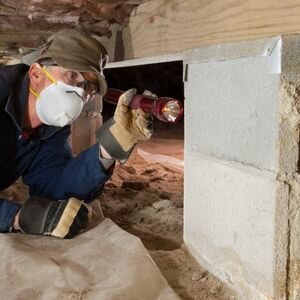
Skipping a pre-listing pest inspection and letting the buyer’s inspector find the problem first puts you in the worst possible negotiating position.
A licensed pest control company or certified home inspector can perform a wood-destroying insect inspection before you ever talk to a buyer. In the Seattle and Tacoma metro areas, these inspections run roughly $100 to $300, depending on the property and its inspection. The fee is a small price for knowing exactly what you’re dealing with before anyone else does, which I’d argue is the whole point of doing it pre-listing.
The inspector will examine your crawl spaces, attic framing, door frames, wood-to-soil contact points, and the foundation perimeter for mud tubes, frass, or soft wood. Subterranean termites in Washington typically enter through the soil, so crawl spaces under older homes in Puyallup, Lakewood, and the South Sound region get particular attention (especially homes built before 1970).
Getting your own inspection before listing gives you accurate information to include on Form 17 with confidence. It also lets you make a strategic decision about whether to treat, repair, or price accordingly before the first buyer walks through. Sellers who receive their inspection report tend to control the narrative better than those who are blindsided by an unexpected finding from a buyer’s inspector.
Request a written report with photographs from the inspector. If they find active activity, get a follow-up scope estimate from a licensed pest control company. The paper trail becomes a selling tool, not a liability, because buyers and their agents can see exactly what was found and what was done about it.
What to Do About a Termite Infestation Before Selling
Sit down for a second, because the decision in front of you isn’t actually “treat or don’t treat.” It’s “treat now, or the price is for the buyer to treat.”
If your Washington home has an active infestation, treatment before listing makes the most sense in most cases. An active infestation complicates inspections, spooks buyers, and makes mortgage lending nearly impossible on conventional and government loans. Getting the infestation addressed removes those barriers.
Pest control companies certified to work in Washington offer a few treatment approaches. Liquid barrier treatments like Termidor run roughly $1,200 to $2,500 for a typical home. Bait station systems cost more upfront, in the $1,500 to $3,500 range, and carry ongoing monitoring fees. Spot treatments for a small, clearly localized infestation can come in under $800. Fumigation for drywood termites, which are rarer in Washington than the subterranean species but do occur in some coastal and southern areas (especially Puget Sound shoreline properties), costs more.
Once the pest is addressed, you face the separate question of structural repairs. A compromised floor joist or a soft beam near the crawl space access in a Fircrest studio isn’t just a buyer perception problem; it’s a real safety and lending issue. Get those repairs done by a licensed contractor and keep every receipt. Documentation of completed repairs genuinely moves buyers from hesitant to confident, which translates directly into stronger offers and fewer contingencies.
Some sellers get the treatment done, collect the warranty paperwork, and then let buyers decide on repairs through pricing. It’s a legitimate strategy, especially in markets where move-in-ready inventory is tight.
How Much Does Termite Treatment Cost Compared to Offering Buyer Concessions
Is it cheaper to pay for treatment yourself, or is it just a case of knocking money off the price?
The numbers can cut in either direction. If your active infestation can be resolved for $1,500 and structural repairs cost another $3,000, you’re spending around $4,500 to $5,000 total to bring the home to a clean condition. A buyer asking for a concession on the same damage might request $8,000 to $10,000 off the price, because sellers always pad their estimates for risk and inconvenience.
So, treating first often yields a higher net sale price. But it also requires upfront cash you may not have, time to schedule contractors, and the ability to delay your listing by several weeks. If the market in your area is moving fast, that delay comes at a cost.
Buyer concessions work well when the damage is documented, repairs are straightforward, and you’re dealing with a cash buyer or an investor. They work less well with financed buyers because the lender may still require repairs to be completed before funding, regardless of any concession agreed upon in the contract. That’s a detail many sellers learn the hard way during negotiations.
One pattern I keep seeing: sellers who offer concessions to financed buyers without checking lender guidelines end up renegotiating twice, once in the contract and again when the underwriter pushes back. Talk to a real estate agent or attorney early about what your buyer’s loan type actually permits.
What Termite Warranties and Remediation Plans Make Buyers Feel Confident
A transferable termite warranty is one of the most underused tools in a Washington home sale, and most articles on this topic barely mention it.
When a licensed pest control company treats a property and issues a warranty, many of those warranties are transferable to a new owner upon sale. The buyer essentially inherits an ongoing protection agreement that covers re-treatment if termites return within the warranty period. For a buyer on the fence about a property in Bellevue or Kirkland with a known history of termites, a transferable warranty from a reputable pest control company can be the difference between making an offer and walking away (especially for older craftsman-style homes).
Annual monitoring contracts, sometimes called termite bonds, typically run $150 to $500 per year and provide re-treatment coverage. Some premium versions also cover repair costs up to a specified cap. Presenting that paperwork at listing, alongside the treatment invoice and the clean post-treatment inspection report, turns what could be a liability into a documented, managed asset.
Mortgage lenders see it similarly. A clean WDI report after treatment, combined with a transferable warranty, resolves most lender hesitancy on conventional loans. FHA and VA loans have stricter requirements, but even those programs require complete documentation of completed treatment and active warranty coverage.
Buyers appreciate transparency backed by paperwork. Sellers who hand over a binder containing the pest inspection, the treatment record, the repair receipts, and the warranty transfer documents are the ones who close the sale, not the ones who lose them in the final stretch.
How to Market a Home with a Termite History to Buyers
A seller in Gig Harbor last summer had treated their property two years prior, kept every document, and still panicked when their agent suggested leading with the disclosure upfront. They agreed reluctantly. Multiple offers came in within five days.
That outcome surprises people, but it shouldn’t. Buyers in Washington’s real estate market have seen plenty of pest issues. What they don’t want is surprises. A seller who discloses a treated termite history and provides documentation is far less threatening to a buyer’s confidence than a property where the inspector finds mud tubes in the crawl space that nobody mentioned.
Marketing a home with a termite history in Washington means leaning into the documentation. Your listing description doesn’t need to open with “former termite damage,” but your agent needs to be prepared to present the treatment records and warranty clearly when buyers ask, and buyers will ask. In Pierce County and King County markets, informed buyers often ask their buyer’s agent to request pest documentation before they even schedule a tour.
Pricing accurately is the other side of marketing. Homes with a prior pest history in markets like Auburn, Kent, or Enumclaw do sometimes sell below comparable properties without that history. Still, the gap closes quickly when sellers price in the historical data, rather than hoping buyers will not notice it.
Online listings that mention “professionally treated, warranty available, full documentation provided” attract buyers who are comfortable with the situation and unlikely to back out later. That’s a more efficient transaction than trying to minimize the issue and dealing with buyer anxiety at every step.
How to Sell a House As-Is with Termite Damage to a Cash Buyer in Washington
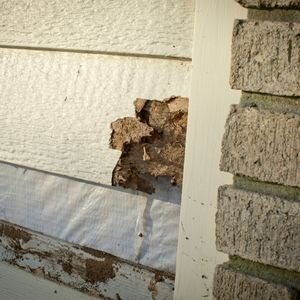
Many mid-tier homes in Pierce and Snohomish Counties sit in that price range today, and a significant discount due to termite damage leaves a seller working with a much thinner margin than they expected when they bought.
Cash buyers and real estate investors operate outside the constraints that slow down retail transactions. No lender mandates a WDI report. No underwriter returns the file due to unresolved pest damage. The buyer contingency lasts 30 days while the buyer decides whether to proceed. The investor already knows what they’re buying and what it’ll cost to fix (usually to the nearest thousand).
Tasha Henderson had been quietly covering two mortgage payments for almost a year on a Pasco property she’d inherited. The home had original 1970s framing in the basement, and a termite inspection she’d ordered in the spring revealed active damage along the rear wall. By the time she called us, she’d already tried to list it twice and watched two sales fall apart when lenders flagged the pest report. We closed on a Thursday. Her second mortgage payment stopped that same week. The property had a wood-paneled garage workshop that she left untouched; we said, “Keep whatever you want; leave what you don’t.
If you’re in a similar situation, a direct sale to a local cash buyer like Sell My House Fast For Cash can cut through the complexity entirely. There’s no requirement to treat, repair, or stage anything. You receive an offer based on the home’s current condition, and you close on your timeline, not a lender’s.
That path makes particular sense for homeowners who are behind on payments, dealing with an estate, going through a life change, or simply done with the property and unwilling to spend months managing contractors and anxious buyers. Selling as-is to a cash buyer isn’t carelessly giving up equity; it’s trading uncertainty for speed and simplicity, which has real value.
Frequently Asked Questions
Is It Hard to Sell a House That Has Had Termites?
Selling a house with a history of termites in Washington isn’t usually difficult if you approach it correctly. The biggest hurdles appear when sellers try to hide the history or haven’t addressed an active infestation before listing. With proper disclosure, treatment documentation, and realistic pricing, homes with past termite issues sell regularly across markets like Seattle, Tacoma, and Spokane. If you’re worried about financing complications, a cash buyer can sidestep those completely.
Are Termites a Big Problem in Washington State?
Washington isn’t the termite capital of the country, but the Pacific Northwest’s moisture levels and forested terrain create conditions that subterranean termites genuinely like. Areas in Pierce County, South King County, and along the coast see more activity than inland regions. Older homes with wood-to-soil contact or poorly ventilated crawl spaces are the most vulnerable. Regular inspections are a reasonable precaution for most homeowners in the western part of the state.
Are termites a sale breaker when buying a house?
For cash buyers and investors, termites are rarely a sale stopper; for buyers using conventional or government-backed loans, active infestations or significant unrepaired structural damage can block financing, which effectively kills the sale. The solution on the seller’s side is to address the active pest problem before listing and document it thoroughly. A treated property with a clean WDI report and a transferable warranty removes almost all of the financing friction.
Do Termites Decrease Home Value?
Active, unrepaired termite damage can significantly reduce a home’s value, sometimes by 20% or more, depending on the severity of the structural damage. A property treated with documented repairs and an active warranty recovers most of that lost value. The stigma effect, where buyers simply feel uneasy about the history, is real but manageable with good disclosure practices and accurate pricing. Properties in high-demand areas of King and Snohomish Counties tend to recover faster than homes in slower-moving markets.
If you’re sitting on a property with termite damage in Washington and you’re not sure what your best move is, contact us. We buy houses in any condition across the state, and a conversation costs nothing. No obligation, no pressure. Just a straight answer about what we can offer and what your options look like from where you’re standing.
Helpful Washington Blog Articles
- How to Sell a Condemned House in Washington
- Average Cost to Sell a House in Washington
- How to Sell a Fire-Damaged House in Washington
- Do Open Houses Still Work For Selling Homes In Washington
- How To Sell Your House Without A Realtor In Washington
- Sell Your House and Move Out of State
- Can Medical Debt Force You To Lose Your Home In Washington
- Sell House With Water Damage in Washington
- Selling a House That Needs Repairs in Washington
- What Washington Homeowners Actually Lose When Selling a House As-Is
- Can You Sell a House With Termites in Washington