
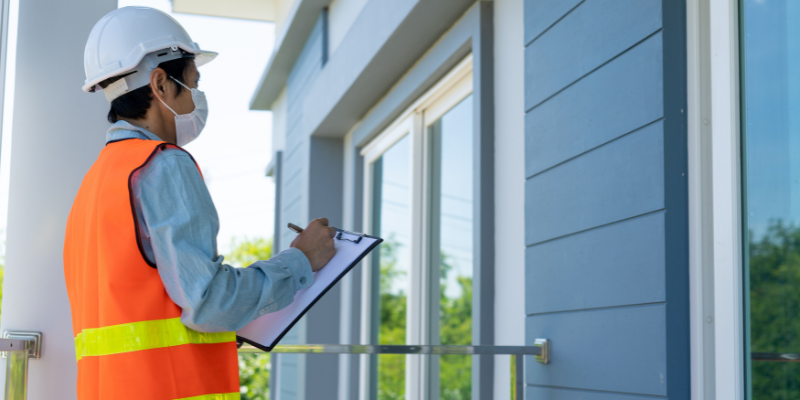
Selling a house can be very challenging, especially when dealing with the results of a home inspection. Sellers are often unsure if they are required to fix everything a buyer’s home inspector lists. Thorough knowledge of home inspection and the outcomes of inspections can help homeowners keep control and finalize the sale. This is a home-selling guide to help review possible outcomes. We will help clarify your rights as the seller and outline valuable recommendations to assist you in deciding when to make repairs and when to stand your ground, enabling you to finalize the home-selling process easily.
Key Highlights
- Sellers may decline repair requests, but they must weigh the market value and repair costs before making a decision.
- Understanding inspection reports helps sellers prioritize essential repairs over superficial requests.
- Clear communication and transparency with buyers bolster trust and can simplify negotiations.
- Offering credits instead of repairs can maintain buyer interest without immediate costs.
- In specific markets, refusing excessive repair requests can be strategic if demand is high.
Understanding the Seller’s Role in Post-Inspection Decisions
The implications of a home inspection can be momentous for any seller. Homeowners must decide whether to agree to the requested repairs or decline them. Either decision has serious ramifications during the selling process. The cost and scope of each requested repair should be assessed in the context of the home’s overall market value. Some repairs are minor and easily completed. Others could be expensive or completely unnecessary. Each request can be a measured decision where the seller has a financial consideration in the decision versus the sale itself.
As necessary, understand the requested repairs in relation to contracts and obligations. There are always things a seller has to do versus things a seller can walk away from. Those requested items must be documented with the buyer. With an emphasis on professionalism in this phase, the seller can eliminate trust issues and conflict and keep things moving with a positive attitude toward closing. With a good plan in place, the seller can complete the process in a manner that treats the buyer fairly and protects their position.
Receive a fair offer for your home—contact us today to explore your options, get expert guidance, and navigate post-inspection decisions with confidence and peace of mind.
What to Consider Before Rejecting Repairs
When a seller declines requested repairs after a home inspection, several critical issues must be evaluated—first, the costs of the repairs versus the overall cost of the home. If the fees are lower, the cost of repairs may be less during your transaction. Sellers receive requests they feel are unnecessary, so understanding the goals of the repair requests is essential for you to do so. Most buyers want to ensure their new home is safe and in good working order through home repairs.
Sellers are in a better position to make decisions before requests are made, as the possible negative impact of such decisions on buyers and the sale as a whole is minimized. Unreasonable refusals of such requests may result in lower sale prices, delayed sales, or even complete buyer dissatisfaction with the home. If the seller chooses to decline a request, they are expected to provide the buyer with alternative options. Alternatives such as a discount on the house, a reduction in the sale price, or a credit to the buyer at closing are excellent options for the seller. These options keep the buyer interested at a lower cost to the seller.
Ultimately, balancing these factors is crucial in determining whether repairs should be made and whether there is urgency and context in the request. One may decline the superficial maintenance, but it would still be worth it to accept minor improvements. Open and honest communication is essential to ensure that all parties are kept informed and are aware of any trade-offs. This enables sellers to protect their interests while maintaining the trust of buyers.
Navigating Inspection Reports: Key Insights for Sellers
Inspection reports for home sellers tell what is wrong with the home. Sellers can address the significant issues to enhance the home’s value and marketability. They can also respond to buyers’ additional requests for homes in a more thoughtful manner, thereby avoiding potential disputes. Attention will be given to repair requests, allowing sellers to provide more detailed explanations and demonstrate professionalism to buyers.
Home sellers can avoid major issues with the home, and the reports help pinpoint what needs to be done. Taking care of the mechanics and crucial aesthetic details will enable home sellers to position the property effectively. They will be able to avoid legal responsibilities by meeting the home buyers’ expectations. Sellers will ultimately have a smoother and successful sale with no additional complications.
How to Interpret the Inspection Report

There’s more to interpreting an inspection report than looking at the findings; one also has to consider the implications of each item. Sellers need to consider issues about structural integrity and all safety concerns, as they will need to undertake those critical repairs to retain value and appeal. Inspection reports often contain overwhelming technical details, so consulting a contractor or home inspection professional is essential to help determine the line between necessary repairs and those that can be negotiated and are not critical.
Completeness of understanding is also one minor issue that could, or could not, be a significant factor or consideration for the buyers. Major concerns, such as old electrical systems that may not meet current code, will carry more weight or have a significant impact. However, also consider the minor cosmetic issues that could also impact the buyers. These sorts of minor repairs are often what will affect the competitiveness of the market.
Sellers equipped with knowledge of the report can negotiate with confidence. Sellers can choose to offer the repair, propose modifications to the price, or offer credits; however, the seller’s position is most fortified if they can communicate the repair strategically. Sellers can balance the trust buyers have in their strategic position to protect themselves and enhance the buyers ‘ trust. This can easily allow the seller to close the home with ease.
How to Navigate Your Inspection Report Effectively
- Identify and address major structural and safety issues that require immediate attention.
- Consult with a contractor to understand technical jargon.
- Weigh the urgency of the repair against current market conditions.
- Prioritize fixes with significant potential impact on buyers.
- Negotiate alternatives, such as price adjustments, if repairs aren’t feasible.
- Leverage repairs to strengthen negotiation leverage.
By following these guidelines, sellers can approach repairs strategically and optimize their home’s market appeal.
Exploring Legal Aspects and Repair Agreements
Contracts and the law outline a seller’s responsibilities following a property inspection. Such agreements are defined in terms of what the seller is obligated to repair and typically relate to the seller’s obligations regarding safety, livability, and compliance with applicable laws. Knowing what is needed and what is required helps, as failing to do so can result in a delayed or lost sale. A seller cannot only distinguish between the law and the repair requests, but must also distinguish between core requests and those that are merely conveniences to the buyer.
The requests from the buyer to the seller can also be strategic from the seller’s perspective. Although some repair requests are clearly optional, making an effort to complete such requests can help to create an image that the seller is likely to respond positively to requests in the future. This helps to clearly define and allocate the responsibilities of the parties to the transaction, thereby preventing misunderstandings and miscommunications. By bridging the gap between law and negotiation, the seller can focus on retaining the home’s value.
Understanding Repair Agreements and Obligations
Repair agreements are a crucial component of any real estate transaction. There are some repairs that the seller needs to make before closing on the property. These agreements are specific about what the seller has to do to avoid closing on matters of livability or safety. These agreements should pose no problem, but there are some state statutes and complexities to consider. Specific repairs are deemed mandatory for the home, and others are considered optional or unnecessary. There are usually some requests that are not mandatory to be done, and most are steeped from the house.
Most sellers do not realize that some of these repairs and optional requests are not mandatory. These repair agreements can cause some delay in closure and create legal and financial headaches. These are the most critical repairs, and most items that are not essential are non-essentials. These are the most vital repairs that most sellers do not realize are crucial to the rest of the deal. There are some less essential negotiations that sellers try to figure out.
Clear communication with buyers is equally important. Sellers should indicate whether they will make requested repairs or offer alternatives such as repair credits or price adjustments. Transparent and honest communication fosters trust, reduces misunderstandings, and helps facilitate a smoother closing. By understanding and adhering to repair obligations, sellers can protect their legal and financial interests while facilitating a successful transaction.
Evaluating Repair Costs and Their Impact on Sales
Sellers need to know what to expect regarding repair outlay during the post-inspection phase of the sale. Sellers will need to determine the potential ROI in relation to the marketability of the home. Sellers will need to align repair expenses to ROI while assessing market conditions relative to nearby/comp properties. This process will help sellers understand which repairs to prioritize and which to avoid, thereby maintaining a competitive negotiating position.
Repair decisions are also taken into consideration by buyers when evaluating a home. Homes that have their systems repaired and problems resolved boost buyers’ confidence, and also the house won’t require much, if any, more requests or last-minute renegotiations. It is a plus when the seller has done the structural, safety, and functional repairs. This keeps the home more competitive in the market while also protecting the seller’s bottom line.
Sell My House Fast For Cash provides fast cash offers, helping sellers navigate post-inspection decisions by assessing repair costs and their impact on marketability—ensuring you get a fair price while preserving leverage and buyer confidence.
Balancing Repair Costs and Market Value

Over the years, most sellers will need to consider the price of repairs, as well as their market impact, when contemplating post-inspection repairs. One key focus of the repairs will be determining how much, if any, additional value the home will gain from the investment. Evaluations that will be necessary include determining the current market value, identifying comparable homes for the property, and assessing whether any repairs will enhance the property’s insulation value. In most clinics within a seller’s market, this will have to be more.
The sellers should determine how the market repairs will shape buyer perception. Major repairs are something a buyer will be hesitant to take on, and could lead to a breakdown in negotiations if the problems go unresolved. Removing barriers to necessary repairs will increase buyers’ confidence and allow sellers to be more assertive in negotiations, making it easier for them to decide on a price or close the deal. Maintaining a home can give it character, particularly if the repairs are a significant factor in its upkeep. A focus on repairs can also put old houses on the market, creating more demand. Higher home pricing and a smoother sale process will result from repairs.
Differentiate between repairs that will and will not provide a return on investment when deciding which repairs to make. Sellers can negotiate repairs of a cosmetic nature to avoid unnecessary expenses. By choosing repairs that give a return on investment, sellers will make their home more attractive to buyers, facilitate easier negotiations, and be more likely to complete a successful sale.
Strategies for Sellers to Handle Inspection Requests
The way inspection requests are handled can make all the difference when it comes to closing the sale of a home. Sellers must find the right balance between catering to buyers and protecting their own interests simultaneously, especially when it comes to repairs that a buyer prospect may want and that would significantly impact the home’s value or the seller’s side of the sale. Sellers have the opportunity to identify the most critical issues in the inspection report (e.g., safety concerns, significant structural problems) and those that are not serious and may not require attention.
In addition to addressing the necessary repairs, these sellers could also consider other options, such as providing credits at closing or adjusting the sale price downward, particularly in cases where the repairs are not made. These can be used by the seller to keep negotiations ongoing and to demonstrate their willingness to work on a deal without being overextended. When sellers focus on the most crucial concerns, provide proper communication, and have a strategy for addressing the requests, they can facilitate easier negotiations in their own favor and make it more likely that the deal can be finalized.
| Strategy | Benefits | Considerations | Market Impact |
|---|---|---|---|
| Agreeing to Repair Essential Issues | Builds buyer trust and increases the likelihood of a successful sale | Prioritizing repairs that are crucial for safety and functionality | Enhances marketability and can lead to quicker offers |
| Considering Market Conditions | Allows for a tailored approach based on current demand and supply | Evaluating the competitiveness and pricing of similar properties | Improves alignment with buyer expectations, potentially reducing time on the market |
| Consulting with Professionals | Provides expert insights and ensures informed decision-making | Costs associated with professional advice and possible delays | Increases credibility and may lead to more favorable negotiations |
| Completing Repairs Before Listing | Boosts property appeal and can simplify the sales process | Initial investment in time and resources for repairs | Could lead to higher offers and reduce the number of contingencies |
This table summarizes strategic approaches that optimize sellers’ responses to inspection requests, aligning their decisions with both buyer expectations and market dynamics.
When It’s Wise to Agree to Complete Repairs
Determining when to consent to repairs is a crucial step in ensuring a smooth and uncomplicated transaction for home sellers. Determining which repairs are essential and require professional attention is a significant challenge. It is Critical to assess the inspection report and determine the Negligence of the home. If the home is at risk of negligence—such as poor, faulty wiring or a roof that leaks—it is viable to increase the workload for repairs. Completing these fundamental repairs can enhance the home’s viability and facilitate a smoother closing of the transaction. Neglecting to make prudent repairs also contributes to the home’s negligence. It undermines the trust and confidence of buyers in the home sale, given the reality that home sellers often fail to make necessary repairs to the home.
When deciding which repairs to make, sellers should also consider the current market conditions. In more competitive markets, addressing specific maintenance issues has been proven to give sellers an advantage when trying to differentiate their property from other comparable listings. A professional in the industry can help sellers understand the difference between minor repairs and the meaningful repairs that may need to be considered to make the home more marketable and appealing to buyers.
Doing repairs ahead of time can make the negotiation process go smoother and reduce the chance of a potential dispute. It makes the process easier when sellers take the time to address the buyers’ concerns, which is why buyers usually appreciate it. Closing repairs without justification can cause a home to stay on the market longer and may potentially deter buyers. However, making the right choice on repairs can help both sellers and buyers achieve their goals, ultimately leading to a successful sale.
The Importance of Communication in Inspection Negotiations
Inspections during the negotiation process can be tricky when selling a house, and knowing the right way to communicate can make the process a lot easier. Trust can be developed by providing quick and direct communication, as it allows for addressing concerns promptly. Professionalism on the seller’s part will be evident to buyers. It can be appreciated when they understand that they are making a significant financial purchase and that the discussion will center around this topic.
When dealers maintain lines of communication with their purchasers, they can document repair requests with the necessary detail and specify what they will and will not respond to. Both parties can then progress towards a reasonable resolution of their requests. Good communication enables the avoidance of certain obstacles, making it easier to close as well as helping sellers who want to Sell a House for Less Than Appraised Value and enhancing the seller’s competitive market advantage.
Maintaining Transparency with Potential Buyers

When negotiating repairs after an inspection, disclosing information to buyers must be both tactical and strategic. Open and honest communication alleviates buyers’ concerns about the home and provides confidence in their purchase. Articulating the seller’s position regarding repairs to be either done or offered in the form of credits discloses their perspective. It is necessary to form a trusting relationship, which is absolutely fundamental to the negotiations, as this is a highly sensitive and emotional transaction.
One of the best methods is to provide the inspection report immediately, and explicitly state which repairs the seller will make. This establishes a benchmark that the seller is both responsible and organized, which is highly appreciated by buyers and helps gain a sense of clarity in the transaction.
If a seller chooses not to complete some repairs, explaining the reasoning—such as prioritizing major safety issues over minor cosmetic problems—can help avoid misunderstandings and build trust. This transparency can lead to more amicable negotiations since buyers understand the seller’s rationale rather than making the worst assumptions.
Transparency also means discussing market conditions so buyers, including investor house buyers in Washington, understand why certain repairs are negotiable or why credits might be more practical. When buyers see the broader context, they’re more willing to accept alternatives that keep the deal moving efficiently. Ultimately, communication driven by transparency creates a cooperative environment that benefits both parties and supports a smoother closing.
Exploring Alternatives to Direct Repairs
When addressing any repairs requested by buyers as a result of their inspections, sellers have several alternatives to performing the repairs themselves: offering repair credits, repair allowances, or repair price reductions, or allowing the buyers to perform the repairs themselves after closing. Each of these options allows the sellers to relieve themselves of the costs associated with performing repairs, while allowing the buyers to complete the repairs on their own terms after closing. This is the most beneficial way for sellers to remove repairs from the closing costs while still offering something to the buyers.
In the above-described order of alternatives, each is an alternative payment arrangement that a buyer requests to perform repairs on items revealed during an inspection of the property. This enables sellers to relieve themselves of performing the repairs and accommodates the inspection report items for the buyers. This ultimately provides sellers with a way to offset the costs associated with closing on their property while still offering something that buyers are requesting.
Offering Credits or Adjustments Instead of Repairs
Opting not to complete repairs is a common approach. Providing a seller repair credit or price adjustment is a great alternative approach to repairs. This strategy provides sellers with a way to mitigate at least some of the concerns raised during the inspection without incurring expenses on renovations. This is even the preferred approach option for a significant number of buyers, as it allows them to complete the repairs according to their own preferences.
Providing credits or adjusting the price can enhance the quality of the negotiation by demonstrating fairness and cooperativeness. This is particularly true for sellers with relatively minor or no essential repairs, as it allows them to cover the remainder of the repair credit in additional contractor fees. This approach reduces the risk of buyers losing motivation without the insulation of a minor repair, keeping them within a corridor of negotiable interest.
In a more competitive scheme, these alliances appear to be more beneficial. Providing credits and alterations showcases willingness and can help reduce the time restraints involved with repairs, in turn accelerating the closing date. Sellers should advise real estate agents so that determined credits remain in the norms covering the sellers. All in all, credits and adjustments are and continue to be a differential-oriented scheme that provides advantageous benefits to both parties, acting as a catalyst to the completion of a home sale.
Clarifying What Repairs May Be Deemed Unreasonable
Sellers often encounter repair requests after an inspection that may seem unreasonable or excessive. Knowing how to distinguish between essential repairs and those that provide little to no real value is key. While safety issues and structural concerns typically deserve attention, cosmetic changes or minor preferences from buyers often fall outside a seller’s obligation. Understanding this balance allows sellers to protect their budget and avoid being pressured into unnecessary work.
By clearly identifying which repair requests are justified and which are not, sellers can negotiate more confidently and maintain control throughout the transaction. This strategic approach helps prevent delays, keeps the deal on track, and preserves the property’s market appeal. Ultimately, recognizing unreasonable requests empowers sellers to move forward with a smoother, more efficient, and mutually fair closing process.
Identifying Excessive or Unnecessary Repair Requests
After a house inspection, identifying where to draw the line on repair requests can be challenging but essential. Not every item in the inspection report deserves attention. Distinguishing between critical and non-critical repairs helps sellers recognize excessive demands. Buyers often request improvements without considering their impact on market readiness; therefore, sellers must prioritize issues that affect safety or structural integrity over cosmetic or trivial concerns.
Significant issues, such as roofing or plumbing problems, usually require action, while minor cosmetic requests—like repainting or replacing light fixtures—typically do not. These changes don’t affect the home’s function or safety. By prioritizing substantial repairs, sellers avoid unnecessary costs and negotiate more effectively.
Market conditions also play a key role. In competitive markets, completing extra repairs may boost appeal, but it’s not always necessary. In a seller’s market, sellers can more easily reject unnecessary requests and still maintain strong offers. Weighing inspection findings against current market conditions helps determine which requests deserve attention.
Sellers who manage repair demands strategically are better positioned to negotiate favorable terms while keeping the deal appealing to buyers. A practical, market-aware approach enables sellers to effectively manage post-inspection negotiations, foster trust, and ultimately achieve a successful sale.
In conclusion, sellers are not obligated to agree to every repair request, but doing so can facilitate a smoother sale process. Evaluating the necessity and cost-effectiveness of requested repairs is crucial. By understanding the terms of the inspection contingency and anticipating potential buyer concerns, sellers can make informed decisions that enhance the property’s attractiveness. Ultimately, a balanced approach that maintains open communication with potential buyers can result in a successful sale that satisfies both parties. If you’re navigating these decisions, consider consulting a legal professional to ensure a strategic negotiation process.
FAQs:
What should sellers do if they receive extensive repair requests after a home inspection?
Sellers should evaluate the necessity of the repairs, prioritizing safety and structural issues. Offering credits or adjustments instead of direct repairs can be a viable option to maintain buyer interest without immediate costs.
Are sellers obligated to complete all repairs requested by buyers after a home inspection?
Sellers are not required to complete every repair request. They should weigh the importance of each request against market conditions and the property’s value, focusing on essential repairs that enhance safety and livability.
How can sellers effectively handle negotiations after a home inspection?
Clear communication is key. Sellers should transparently share their decisions regarding repairs and consider offering alternatives, such as credits or refunds, to ensure transparency and fairness. This approach builds trust with buyers and simplifies negotiations.
What is the benefit of offering repair credits to buyers?
Offering repair credits allows buyers to address issues in their preferred manner, potentially with their own contractors. This option reduces the seller’s upfront costs and can keep the sale process on track.
How do market conditions affect a seller’s decision to agree to repairs?
In a competitive market, making repairs can enhance a property’s appeal and stand out to buyers. In a seller’s market, sellers may negotiate more firmly, as demand for properties is high.
Need to sell your house? Whether you want a fast sale, want to skip expensive repairs, or simply prefer a smooth, hassle-free process, Sell My House Fast For Cash has you covered. We provide fair cash offers, take care of the details, and make selling easy. Have questions or ready to begin? Call us at (866) 824-3222 for a no-obligation cash offer. Get started today!
Helpful Blog Articles
- What Does Cash to Close Mean?
- Can a Seller Refuse Repairs After Inspection?
- What to Know About Selling Your House Before Filing for Divorce
- Should I Renovate My House or Sell As-Is?
- Can I Sell My House for Less Than Appraised Value?
- Tax Implications of Selling a Home
- Can an Administrator of an Estate Sell Property?
- Can I Sell My House at a Foreclosure Auction?
- Can You Live in A House During Probate
- Can You Sell Your House To The Bank
- How To Sell A House on Craigslist
